 Pin it
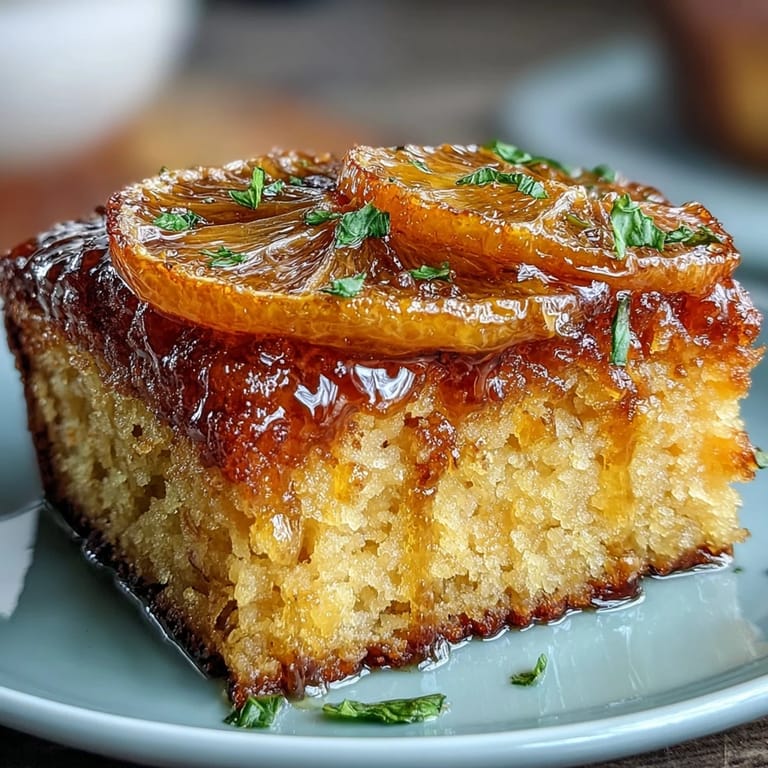
 There's something magical about a cake that captures the essence of the Mediterranean sun—where golden olive oil meets the fragrant sweetness of candied oranges, and almond flour lends a tender, nutty crumb. This Candied Orange Olive Oil Cake is more than just a dessert; it's a celebration of simple, quality ingredients that come together to create something truly special. Whether you're hosting an afternoon tea or looking for a light yet indulgent finish to dinner, this gluten-free cake delivers sophistication without complexity.
Pin it The process of candying the oranges may seem like an extra step, but it transforms ordinary citrus into jewel-like slices that caramelize beautifully when inverted. As the cake bakes, your kitchen fills with the warm aroma of orange zest and vanilla, mingling with the grassy notes of quality olive oil. The Greek yogurt adds tang and moisture, ensuring every bite is tender and never dry. This is Mediterranean baking at its finest—elegant, wholesome, and utterly delicious.
Ingredients
Tired of Takeout? 🥡
Get 10 meals you can make faster than delivery arrives. Seriously.
One email. No spam. Unsubscribe anytime.
- Candied Oranges: 2 medium oranges (thinly sliced), 1 cup (200 g) granulated sugar, 1 cup (240 ml) water
- Cake Batter: 2 cups (200 g) almond flour, 1/2 cup (60 g) all-purpose gluten-free flour blend (or regular flour if not gluten-free), 1 1/2 tsp baking powder, 1/4 tsp salt, 3 large eggs (room temperature), 3/4 cup (150 g) granulated sugar, 1/2 cup (120 ml) extra-virgin olive oil, 1/2 cup (120 ml) plain Greek yogurt, zest of 1 orange, 1 tsp vanilla extract
- For Serving (optional): Powdered sugar for dusting, fresh mint leaves
Instructions
- Step 1: Prepare the candied oranges
- In a medium saucepan, combine sugar and water. Bring to a simmer over medium heat, stirring until sugar dissolves. Add orange slices in a single layer. Simmer gently for 20–25 minutes, turning occasionally, until translucent. Remove from syrup and let cool on a parchment-lined tray.
- Step 2: Preheat oven
- Preheat oven to 350°F (175°C). Grease a 9-inch (23 cm) round cake pan and line the bottom with parchment paper.
- Step 3: Arrange candied oranges
- Arrange cooled candied orange slices on the bottom of the prepared pan, overlapping slightly if needed.
- Step 4: Mix dry ingredients
- In a large bowl, whisk together almond flour, gluten-free flour, baking powder, and salt.
- Step 5: Prepare wet ingredients
- In another bowl, beat eggs and sugar until pale and slightly thickened, about 2–3 minutes. Whisk in olive oil, Greek yogurt, orange zest, and vanilla extract until smooth.
- Step 6: Combine batter
- Gently fold the dry ingredients into the wet mixture until just combined.
- Step 7: Fill pan
- Pour batter over the candied oranges, smoothing the top.
- Step 8: Bake
- Bake for 40–45 minutes, or until a toothpick inserted in the center comes out clean. Cool in the pan for 10 minutes, then invert onto a serving plate. Peel off parchment.
- Step 9: Garnish and serve
- Dust with powdered sugar and garnish with mint leaves if desired. Serve at room temperature.
Zusatztipps für die Zubereitung
For the best results, use room temperature eggs and Greek yogurt—this ensures everything blends smoothly and creates a more uniform crumb. When candying the oranges, patience is key; don't rush the simmering process, as this is what creates that beautiful translucent quality. Choose a good quality extra-virgin olive oil with a fruity, not overly peppery, flavor profile—it should enhance, not overpower, the delicate citrus notes. Make sure to let the candied oranges cool completely before arranging them in the pan, or they may make the parchment soggy. When folding the batter, use a gentle hand to avoid deflating the mixture; a few streaks of flour are better than an overworked, tough cake.
Varianten und Anpassungen
Swap Greek yogurt for dairy-free yogurt if you need a dairy-free version, or try using coconut yogurt for a subtle tropical note. Use blood oranges instead of regular oranges for a vibrant color and slightly more complex, berry-like flavor twist—they're especially beautiful when candied. If you don't need the cake to be gluten-free, you can replace the gluten-free flour blend with regular all-purpose flour. For extra richness, add 1/4 cup of finely chopped toasted almonds to the batter. You can also infuse the candying syrup with a cinnamon stick or star anise for warm spice notes that complement the citrus beautifully.
Serviervorschläge
This cake is stunning on its own, dusted with powdered sugar and adorned with fresh mint leaves for a pop of color. For extra indulgence, serve each slice with a dollop of lightly sweetened whipped cream or a spoonful of thick Greek yogurt. It pairs beautifully with afternoon tea or coffee, especially a bold espresso that balances the cake's sweetness. For a more formal dessert presentation, serve with a side of fresh berries or a small scoop of vanilla gelato. The cake keeps well, covered, at room temperature for up to 2 days, making it perfect for make-ahead entertaining—though it's so delicious, it rarely lasts that long.
 Pin it
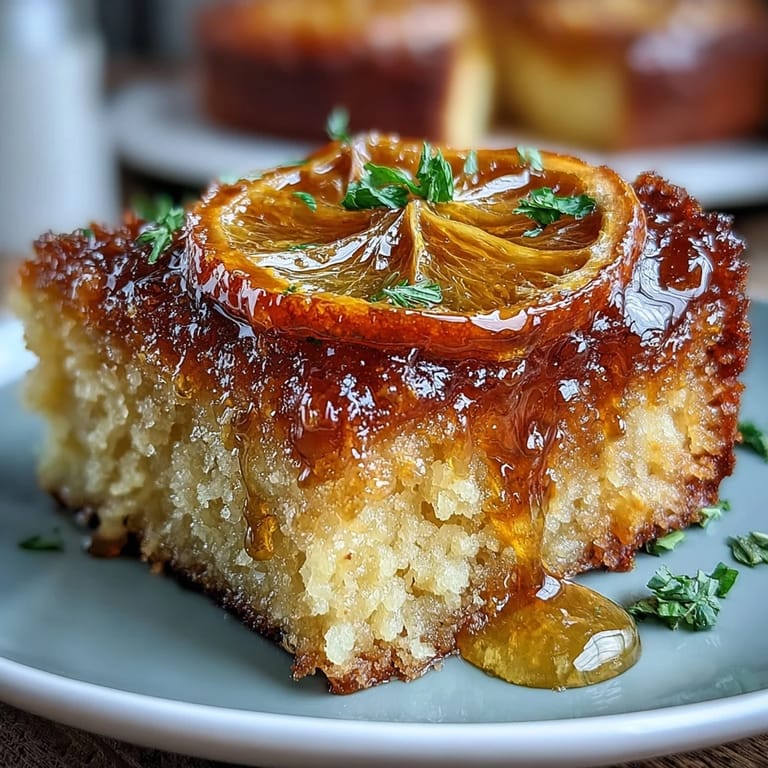
 This Candied Orange Olive Oil Cake with Almond Flour embodies everything wonderful about Mediterranean baking—it's naturally gluten-free yet incredibly moist, it showcases premium ingredients like extra-virgin olive oil, and it transforms simple components into something memorable. The interplay of textures and flavors—the tender almond crumb, the fruity olive oil, the sweet-tart candied oranges—creates a dessert that feels both rustic and refined. Whether you're entertaining guests or treating yourself to a special afternoon indulgence, this cake delivers elegance in every bite. Serve it with pride, knowing you've created something truly beautiful and delicious.
Recipe FAQs
- → How do you prepare candied oranges for the cake?
Slice oranges thinly and simmer them gently in a sugar-water syrup until translucent. Cool them on parchment before layering in the cake pan.
- → Can I substitute the almond flour with another type?
Almond flour provides a nutty flavor and moist texture; however, other nut flours can be used but may alter the taste and density.
- → What is the purpose of olive oil in this cake?
Olive oil adds moistness and a subtle fruity richness, enhancing the cake's texture and Mediterranean character.
- → Is this cake suitable for gluten-free diets?
Yes, by using a certified gluten-free flour blend alongside almond flour, the cake remains gluten-free without compromising texture.
- → How should the cake be stored after baking?
Store the cake covered at room temperature for up to two days to maintain freshness and moisture.
- → What role does Greek yogurt play in the batter?
Greek yogurt adds tenderness and slight tanginess, contributing to a balanced flavor and moist crumb.