 Pin it
 My sister texted me at noon asking what I was making for dinner, and I stared at my fridge with no plan in sight. Ground turkey sat there like a challenge. I grabbed it, remembered a Korean place we loved in college, and decided to chase those flavors without overthinking it. Thirty minutes later, the kitchen smelled like toasted sesame and garlic, and I had something that tasted way more impressive than the effort I put in. Sometimes the best meals come from mild panic and a little creativity.
I made this on a Wednesday night when my friends came over unexpectedly. I doubled the batch, piled it over rice, and set out whatever vegetables I had roasted earlier. Everyone went quiet for a few minutes, which is always a good sign. One friend asked if I'd been hiding some secret cooking skills, and I just laughed because this dish is ridiculously forgiving. It became my go-to whenever I want to look like I have my life together without actually having my life together.
Ingredients
- Soy sauce: This is your salty, umami backbone, so go for low sodium if you're cautious, but don't skip it entirely or the dish falls flat.
- Cornstarch: A tiny amount transforms the sauce into something glossy and clingy instead of watery and sad.
- Brown sugar: Just enough sweetness to balance the heat and salt without making it taste like dessert.
- Red chili flakes: Start with less if you're nervous, you can always add more, but you can't take it back once it's in there.
- Sesame oil: The toasted kind is what you want, it smells like warmth and makes everything taste more intentional.
- Garlic: Fresh is non-negotiable here, the jarred stuff just doesn't have the same punch when it hits the hot oil.
- Fresh ginger: Grate it fine so it melts into the dish, big chunks are unpleasant surprises no one wants.
- Ground turkey: Lean, quick-cooking, and it soaks up the sauce like a sponge, which is exactly what you need.
- Chives: They add a mild onion flavor and a pop of green that makes the whole thing look alive.
- Sesame seeds: Toast them if you can, the nutty crunch is the final touch that ties everything together.
Tired of Takeout? 🥡
Get 10 meals you can make faster than delivery arrives. Seriously.
One email. No spam. Unsubscribe anytime.
Instructions
- Mix the sauce:
- Whisk the soy sauce, cornstarch, brown sugar, and chili flakes in a small bowl until smooth and no clumps remain. This takes maybe a minute, and it's worth doing right so the sauce doesn't separate later.
- Bloom the aromatics:
- Heat your skillet over medium-high, pour in the sesame oil, then toss in the garlic and ginger. Stir them around for about thirty seconds until your kitchen smells incredible and they just start to turn golden.
- Cook the turkey:
- Add the ground turkey and break it apart with your spatula as it cooks. Keep it moving so it browns evenly and cooks through in five to seven minutes, no pink bits left.
- Add the sauce:
- Pour the sauce over the cooked turkey and stir everything together. Let it bubble on high heat for two to three minutes until it thickens and coats the meat with a shiny glaze.
- Finish and garnish:
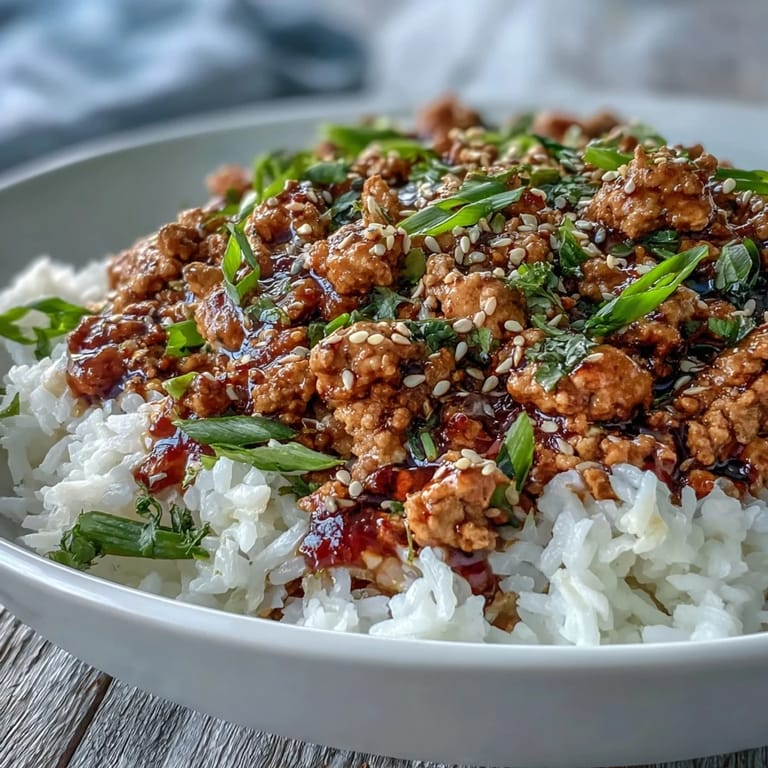
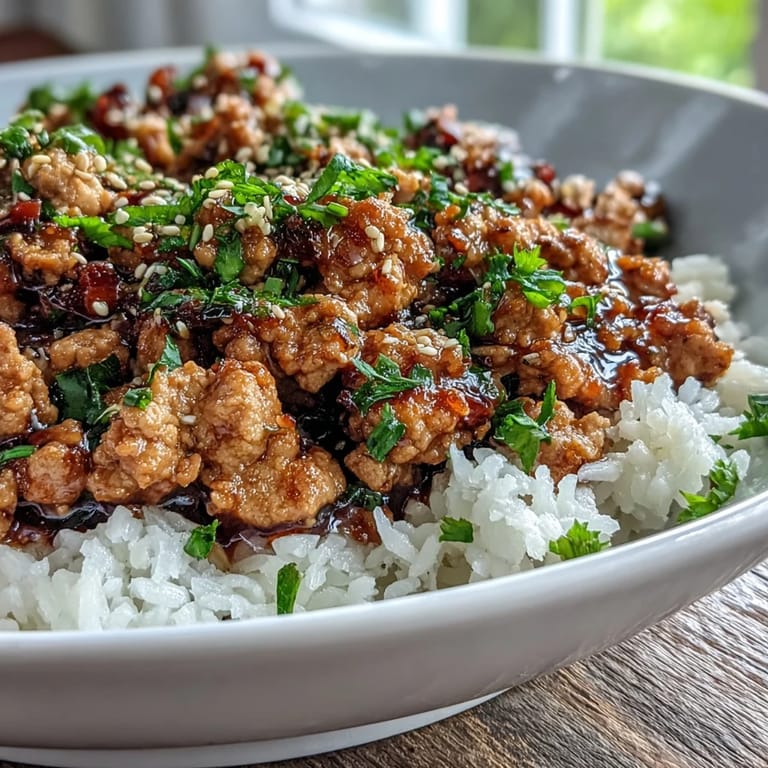
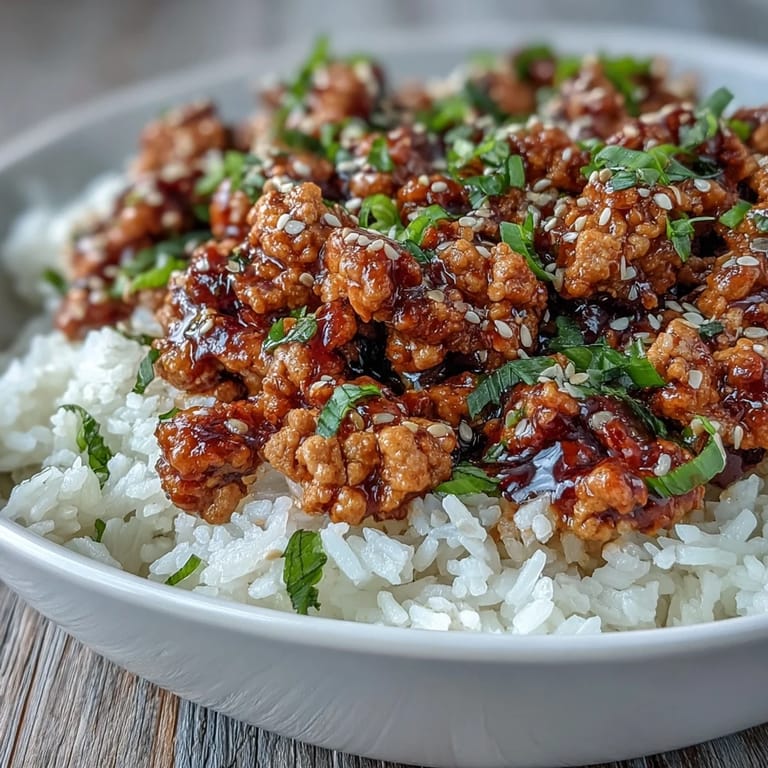
- Stir in most of the chives, saving a pinch for the top. Sprinkle with toasted sesame seeds and the reserved chives, then serve it hot over rice with whatever vegetables you like.
 Pin it
 One night I served this to my neighbor who's picky about anything remotely spicy. She took a careful first bite, then went back for seconds without saying a word. Later she texted asking for the recipe, which felt like winning a small, quiet victory. Food has a way of sneaking past people's defenses when it's made with enough flavor and just enough care.
Serving Suggestions
I usually pile this over plain steamed rice because the grains soak up the sauce and turn into little flavor bombs. Sometimes I'll add sautéed spinach or roasted broccoli on the side, or even quick-pickled cucumbers if I'm feeling fancy. A fried egg on top makes it feel like a completely different meal, runny yolk mixing with the sauce is a beautiful thing. Keep it simple or dress it up, it works either way.
Make It Your Own
If you want more heat, stir in a spoonful of gochujang with the sauce, it adds depth and a different kind of spice. Ground chicken or pork work just as well if turkey isn't your thing, though pork will be a bit richer. I've also doubled the ginger when I'm fighting off a cold, and it never hurt anyone. This recipe is a template, not a rulebook, so follow your instincts and taste as you go.
Storage and Reheating
Leftovers keep in the fridge for up to four days in an airtight container, and they reheat beautifully in a skillet or microwave. I actually prefer it the next day when the flavors have had time to settle and deepen. If it seems dry after reheating, add a splash of water or a drizzle of sesame oil to bring it back to life.
- Store the turkey separately from rice and vegetables if you're meal prepping, everything stays fresher that way.
- Freeze portions in individual containers for up to two months, thaw overnight in the fridge before reheating.
- Don't reheat more than once, the texture suffers and it's just not worth it.
 Pin it
 This dish reminds me that good food doesn't need to be complicated or take all night. Keep a few key ingredients on hand, trust your taste buds, and you'll always have something worth sitting down for.
Recipe FAQs
- → Can I substitute the ground turkey with other proteins?
Yes, ground chicken or ground pork work excellently as substitutes. The cooking time and method remain the same for both alternatives.
- → How can I make this dish spicier?
Increase the red chili flakes to taste or add a tablespoon of Korean gochujang paste to the sauce for authentic heat and depth of flavor.
- → Is this dish gluten-free?
The dish contains soy sauce which typically has gluten. Use certified gluten-free soy sauce or tamari to make it completely gluten-free.
- → What vegetables pair best with this dish?
Steamed or sautéed broccoli, spinach, carrots, snap peas, or bok choy complement the Korean flavors perfectly and add nutritional balance.
- → Can I prepare this ahead of time?
Yes, you can cook the turkey mixture up to 2 days in advance. Store refrigerated and reheat gently in a skillet, adding a splash of water if needed.
- → What can I serve instead of rice?
Cauliflower rice, quinoa, or Asian-style noodles work well as lower-carb or alternative grain options while maintaining the dish's integrity.