 Pin it
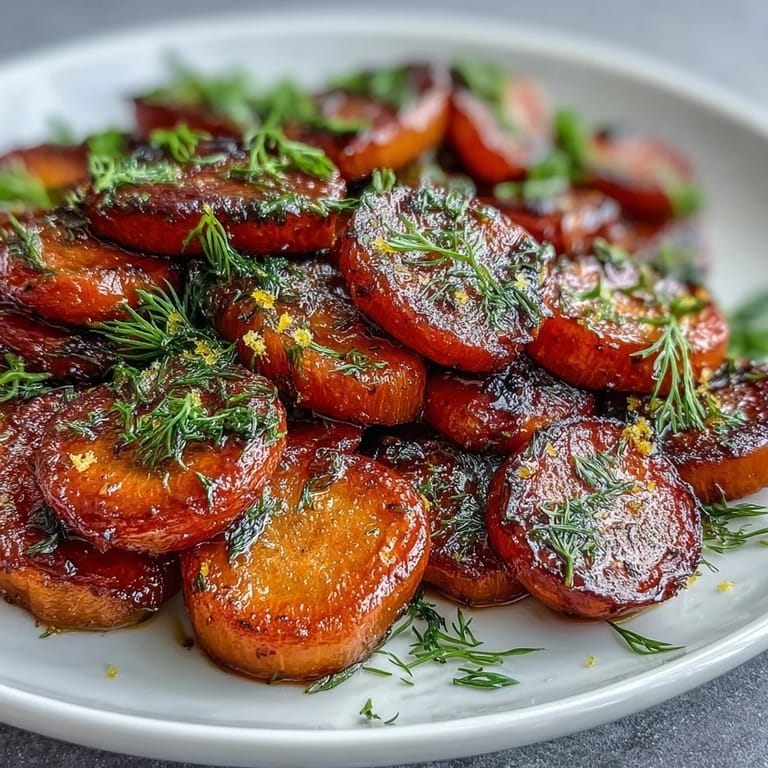
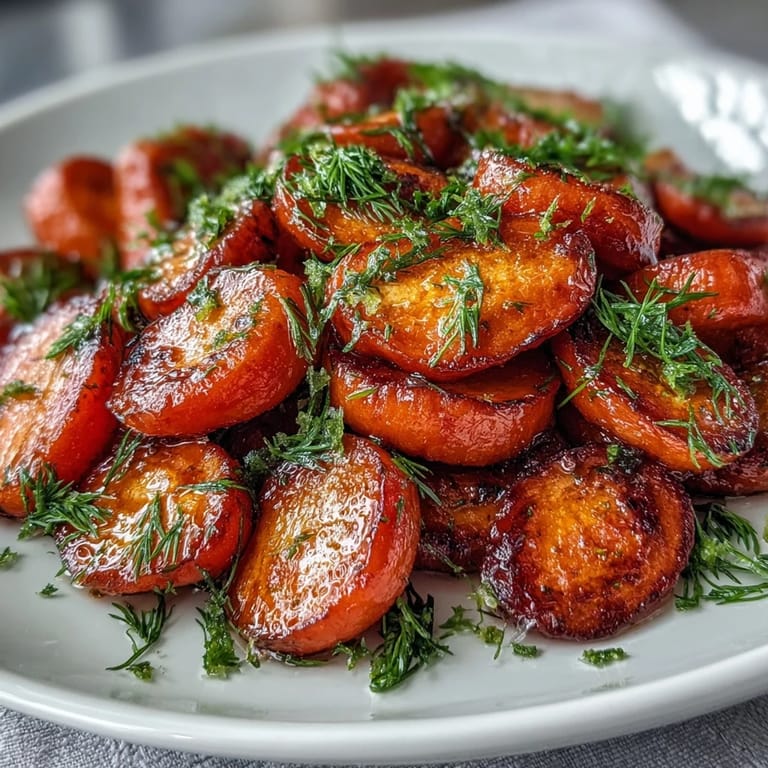
 My neighbor brought over these glazed carrots last spring, and I watched her plate them with this effortless confidence, their surfaces catching the kitchen light like little burnished jewels. She mentioned the orange juice and honey combination almost offhandedly, but when I tasted them—bright, buttery, with that green dill cutting through—I realized she'd handed me a side dish that could steal the show. Now they're my secret weapon whenever I need something that feels special but takes barely thirty minutes.
I made these for a potluck dinner during a chaotic Tuesday evening, and honestly, I almost didn't go—but there was something about how quickly this came together that pulled me out of my mood. When I set the dish down on the table, people actually paused their conversations, and someone asked for the recipe before I'd even taken a seat. That's when I understood: simple dishes with real flavor and care hit differently.
Ingredients
- Carrots: Look for ones that feel firm and smell sweet when you rub them; those thin, delicate rounds will cook evenly and soak up every bit of that glaze without turning mushy.
- Unsalted butter: This lets you control the salt level, and trust me, you'll taste the difference—it becomes part of the glaze, not just a cooking medium.
- Honey: Use something you'd actually eat on toast; cheap honey tastes processed, and you're only using two tablespoons, so quality matters here.
- Fresh orange juice: Squeeze it yourself if you can—bottled tends to taste flat and slightly metallic after it's been sitting around.
- Orange zest: This is where the magic lives; don't skip it or be stingy with it, because the oils in that zest are what make people ask what's different about your carrots.
- Fresh dill: Buy it the day you're cooking, and keep it in a glass of water in the fridge if you need to store it; it wilts fast but stays bright when you handle it gently.
Tired of Takeout? 🥡
Get 10 meals you can make faster than delivery arrives. Seriously.
One email. No spam. Unsubscribe anytime.
Instructions
- Boil the carrots until just tender:
- Fill your pot about three-quarters full with salted water and let it reach a rolling boil—you'll know it's ready when the steam rises with confidence. Slide in your carrot rounds and let them soften for five to six minutes; you're aiming for a fork to go through with slight resistance, not mush.
- Build the glaze:
- Melt your butter over medium heat until it foams slightly and smells nutty, then stir in the honey, orange juice, zest, salt, and pepper all at once. Let everything warm through and combine for a minute or so, and you'll notice the kitchen suddenly smells like a vacation.
- Combine carrots and glaze:
- Add your drained carrots to the skillet and turn them gently with a wooden spoon until every slice is coated in that golden liquid. Don't rush this; take your time, and watch how the glaze begins to cling to the carrots.
- Cook until glossy:
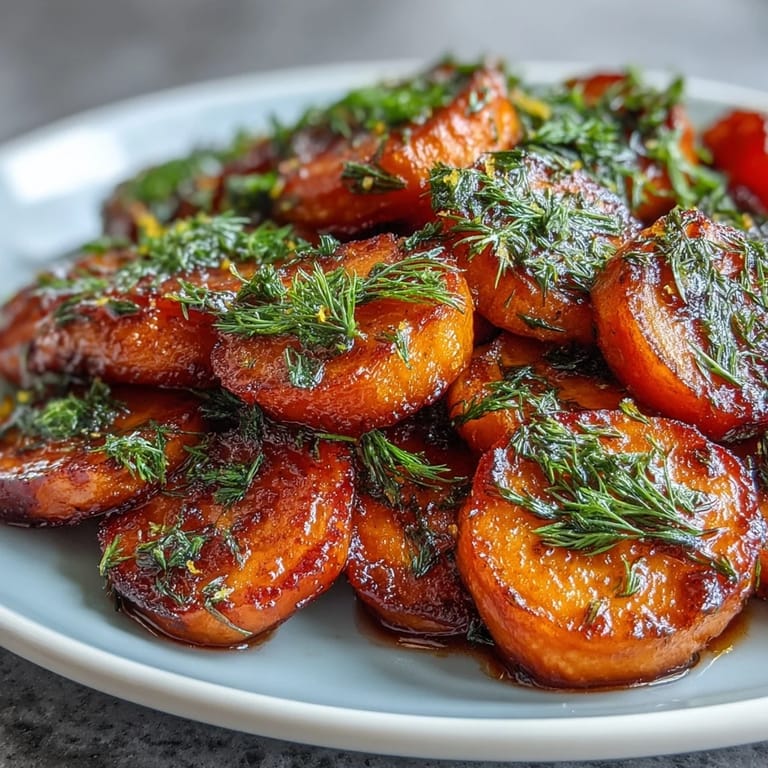
- Keep the heat at medium and stir occasionally for seven to ten minutes while the liquid reduces and thickens into a glossy coating. You'll notice the carrots start to shine, and the sauce becomes more concentrated and luscious.
- Finish with dill:
- Remove from heat, scatter your fresh dill over the top, and fold it in gently so it doesn't bruise. Serve while everything's still warm so the butter and dill are at their most fragrant.
 Pin it
 There was a moment at that potluck when my quiet grandmother—the one who usually just nods and eats—asked me to write down what I'd done differently with carrots, and that single question made me realize how food becomes a language between people who don't always know what to say to each other. Since then, carrots have become my thing, and this recipe is always in my back pocket.
Why This Side Works With Everything
These carrots sit in this interesting middle ground where they're fancy enough to serve alongside herb-roasted chicken or pan-seared fish, but casual enough to work at a weeknight dinner when you're making something simple. The orange and honey combination feels warm and grounding without being heavy, so they won't compete with other flavors—they'll just make everything around them taste a little brighter.
The Technique Everyone Should Know
The two-stage cooking method here—boiling first, then finishing in the glaze—is actually a technique chefs use all the time, and once you understand why it works, you'll start applying it to other vegetables. Boiling gives you tender carrots on a guaranteed timeline, and then the skillet lets you reduce the glaze and build those caramelized edges that make everything taste intentional.
Storage and Make-Ahead Notes
These hold beautifully for a day or two in the fridge, and reheating them is simple—just warm them gently in a skillet or the microwave until they're hot again. You can even prep the carrots the morning of and do the glaze in the evening, which takes some pressure off when you're juggling other dishes.
- If you're making these ahead, store them in an airtight container so they don't absorb fridge smells.
- The dill tastes best fresh, so add it right before serving rather than cooking it in.
- These actually pair beautifully with both spring lamb and autumn pork, so they're genuinely useful year-round.
 Pin it
 These carrots taught me that the simplest recipes often leave the most room for care, and that's where the real cooking happens. Make them when you want someone to feel looked after.
Recipe FAQs
- → How should carrots be prepared for this dish?
Peel and slice carrots into 1/4-inch rounds to ensure even cooking and optimal glaze coverage.
- → What gives the glaze its citrus flavor?
The glaze combines fresh orange juice and orange zest, providing bright and tangy citrus notes.
- → Can the honey be substituted for another sweetener?
Yes, maple syrup can replace honey for a different sweetness profile and to suit vegan preferences.
- → How is the glaze thickened on the carrots?
Cooking the carrots in the glaze for 7–10 minutes reduces the liquid and creates a glossy coating.
- → What role does fresh dill play in this dish?
Fresh dill is added at the end to provide aromatic freshness and a subtle herbal contrast to the sweet glaze.