 Pin it
 My grandmother used to say that black-eyed peas on New Year's Day weren't just food—they were insurance. She'd have this pot simmering on the stove before sunrise, the kitchen filling with the smell of smoked pork and Creole spices, and she'd invite anyone who stopped by to ladle themselves a bowl. The first time I made this dish alone, I burned the aromatics because I was distracted by a phone call, but somehow the slightly caramelized onions made it taste even better. Now every January first, I find myself recreating that same golden-brown moment, that same feeling of sitting down to something that tastes like hope.
I served this to my neighbor last year when she was going through a rough patch, and watching her face light up as she tasted it reminded me why comfort food matters. She asked for the recipe immediately, and now it's become our New Year's tradition to cook it together, our kitchens connected by phone calls as we compare our simmering pots and taste for seasoning.
Ingredients
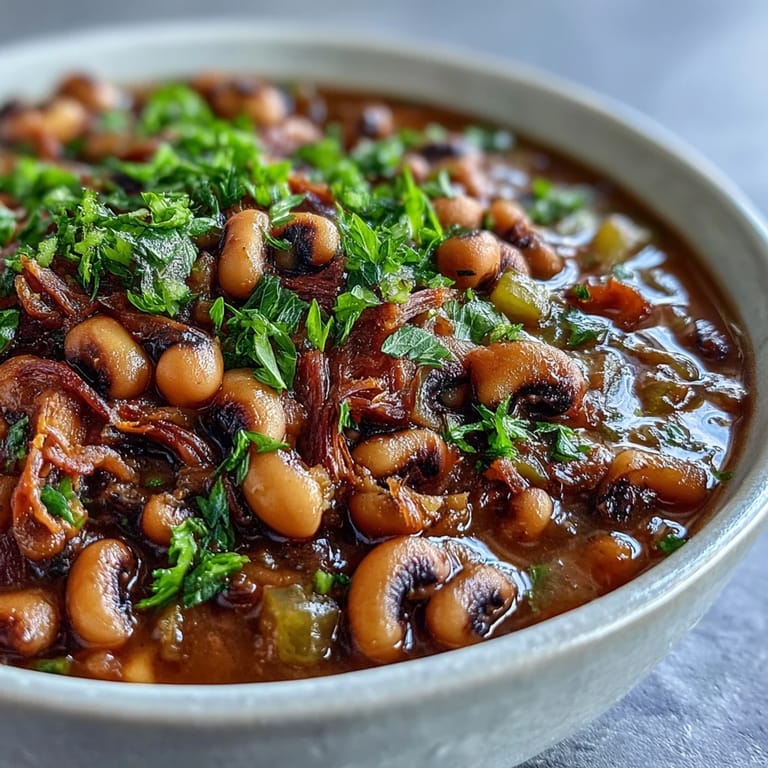
- Black-eyed peas (1 pound): These little legumes have an almost earthy sweetness that transforms completely when simmered with smoke and spice—sorting through them by hand takes five minutes and saves you from biting down on a random stone.
- Smoked pork neck bones or ham hocks (1½ pounds): This is where all the magic happens; the collagen and fat render into the liquid and make everything taste like it's been simmering for days rather than hours.
- Onion, celery, and green bell pepper: The holy trinity of Southern cooking creates a flavor foundation so solid that the rest of the dish practically builds itself.
- Garlic (4 cloves): One minute in the hot oil is all it takes to fill your kitchen with an aroma that promises something delicious is coming.
- Water or low-sodium chicken broth (7 cups): Broth gives you more flavor depth if you have it on hand, but water works just fine and lets the pork shine through.
- Creole seasoning (1½ teaspoons): This blend of paprika, garlic, cayenne, and other spices is the backbone of the whole dish—adjust it based on how much heat you actually want at your table.
- Bay leaf, thyme, smoked paprika, and black pepper: These seasonings layer together to create a complexity that makes people wonder if you've been cooking this all day.
- Salt (1 teaspoon): Hold back most of it until the end so you can taste as you go and not end up with something unforgivingly salty.
- Fresh parsley and hot sauce (optional): Parsley adds a fresh brightness that cuts through the richness, and hot sauce lets people customize their own heat level.
Tired of Takeout? 🥡
Get 10 meals you can make faster than delivery arrives. Seriously.
One email. No spam. Unsubscribe anytime.
Instructions
- Prepare the peas the night before (or do a quick soak):
- Soak your black-eyed peas overnight in plenty of cold water, or if you're short on time, cover them with boiling water and let them sit for an hour—both methods soften them enough that they'll cook through evenly. Just remember to drain and rinse them well before adding to the pot.
- Build your flavor base:
- Heat a splash of oil in a large Dutch oven over medium heat and let your onion, celery, and bell pepper soften for about five minutes, stirring occasionally so they release their sweetness without browning too fast. You're looking for them to be soft and fragrant, not caramelized.
- Add the garlic and wake everything up:
- Once the vegetables are soft, add your minced garlic and cook for just a minute until the raw edge disappears and the smell becomes almost perfumy. Don't let it brown or it'll taste bitter.
- Combine everything and let it simmer:
- Stir in your drained peas, smoked pork, broth, and all your seasonings, then bring the whole pot to a boil before reducing the heat to low and covering it. Let it bubble gently for an hour and a half, stirring occasionally and tasting as you go—the peas should be completely tender and the pork should be falling apart.
- Finish and season:
- Remove the pork bones from the pot and shred any meat still clinging to them back into the liquid, discarding the bones themselves. Taste for salt, remove the bay leaf, and adjust your seasonings one more time before ladling into bowls.
 Pin it
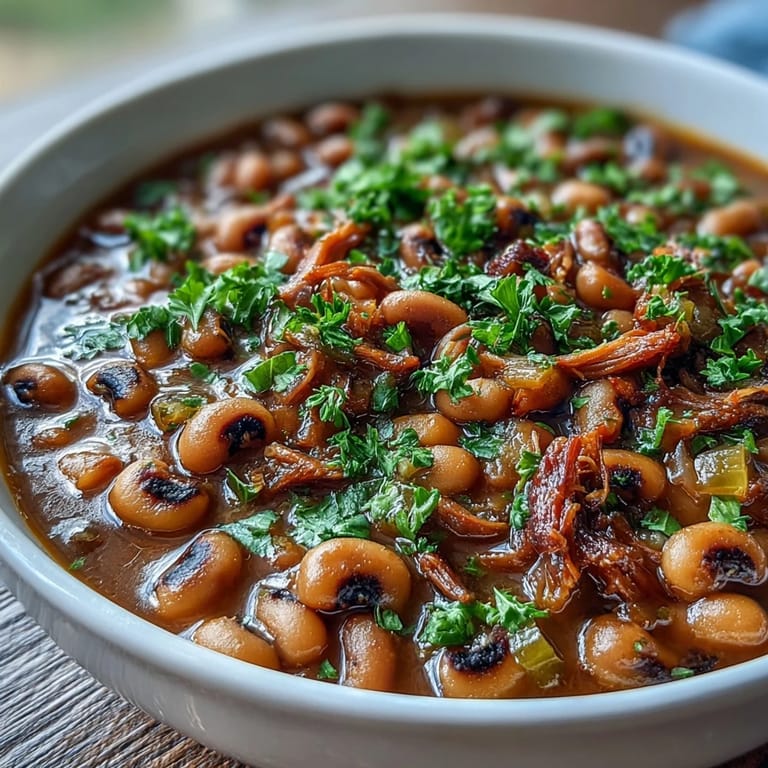
 There's something almost spiritual about serving this dish on January first, like you're honoring both tradition and the people sitting at your table. Whether you're cooking it for luck or just because it tastes like home, this pot of peas has a way of bringing people together.
The Story Behind New Year's Black-Eyed Peas
The tradition of eating black-eyed peas on New Year's Day has roots in African-American and Southern cooking, tied to resilience and the promise of abundance. The peas themselves came to America through slave ships and became a staple of Low Country cooking, eventually earning their place as a symbol of good fortune and prosperity. What started as making do with humble ingredients transformed into a ritual so meaningful that families plan their January first meals around it.
Serving Suggestions and Pairings
Traditionally, this dish arrives at the table alongside collard greens (representing money) and cornbread (representing gold), completing a symbolic New Year's meal that's meant to set the tone for the rest of the year. The warmth and simplicity of serving it over white rice or alongside a crispy skillet cornbread lets each component shine without competing for attention. I've also served it as a standalone bowl on cold winter nights when I just wanted something deeply comforting and didn't have the energy to cook multiple sides.
Storage, Freezing, and Make-Ahead Tips
This dish actually improves after a day or two in the refrigerator as the flavors continue to marry and deepen, so don't hesitate to make it ahead. The whole pot freezes beautifully for up to three months, and you can thaw it overnight in the fridge or reheat it gently on the stove with a splash of broth to restore its silky consistency. A helpful shortcut is to make this in a slow cooker on low for six to eight hours if your schedule is packed, which gives you more flexibility without sacrificing any depth of flavor.
 Pin it
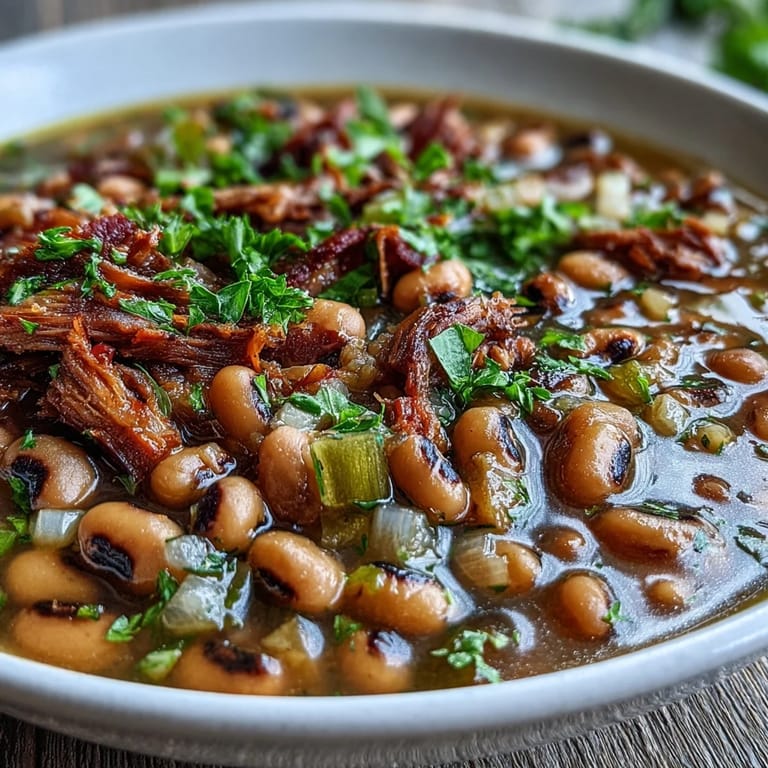
 There's nothing quite like a bowl of black-eyed peas eaten while thinking about fresh starts and second chances. Make this dish, share it generously, and let it become part of your own kitchen story.
Recipe FAQs
- → Why do people eat black-eyed peas on New Years?
The Southern tradition dates back to Civil War times when black-eyed peas were considered lucky food. Eating them on New Years Day is believed to bring prosperity and good fortune for the coming year, with the peas symbolizing coins.
- → Do I need to soak dried black-eyed peas before cooking?
Yes, soaking helps the peas cook evenly and tenderize. An overnight soak works best, but you can quick soak by covering with boiling water for one hour. Drain and rinse before adding to the pot.
- → Can I make this vegetarian?
Absolutely. Omit the smoked pork bones and add extra smoked paprika along with a splash of liquid smoke to maintain that savory, smoky depth of flavor that makes this dish so satisfying.
- → What should I serve with black-eyed peas?
Traditional pairings include fluffy white rice to soak up the flavorful broth, cornbread for sopping, and collard greens for a complete lucky New Years meal representing prosperity, wealth, and financial fortune.
- → How long do leftovers last in the refrigerator?
Cooked black-eyed peas stay fresh in the refrigerator for 4-5 days when stored in an airtight container. The flavors continue developing, often tasting even better the next day. You can also freeze portions for up to 3 months.
- → Can I use canned black-eyed peas instead of dried?
You can substitute canned peas, but reduce cooking time to 30-45 minutes since they're already tender. Rinse and drain them well before adding. The broth won't be quite as thick since dried peas release natural starches during long cooking.