 Pin it
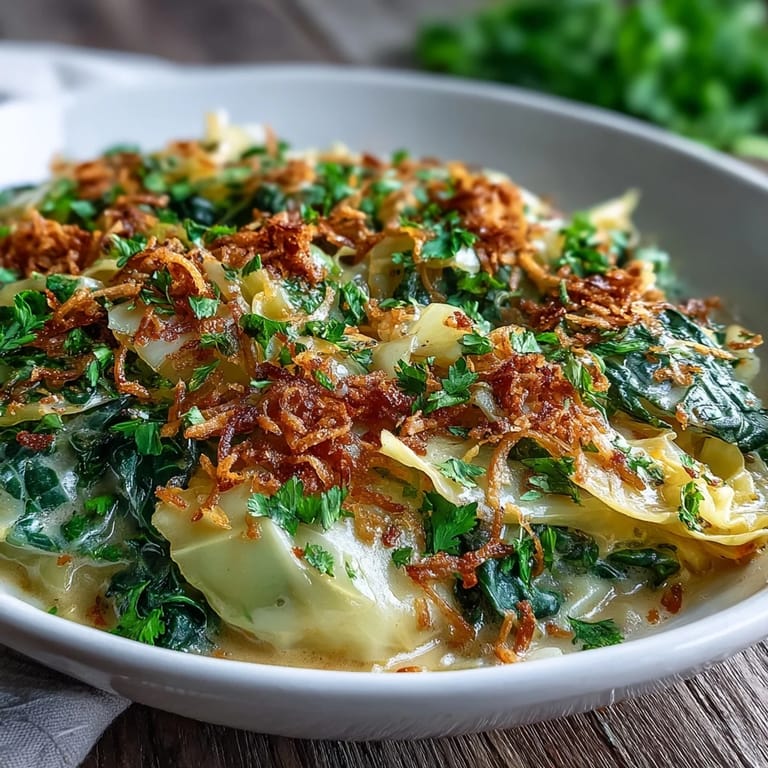
 I used to think braising was only for meat until a rainy Thursday when I had half a cabbage wilting in the crisper and a can of coconut milk I'd bought for a curry I never made. What started as a pantry rescue turned into something I now crave regularly. The way the cabbage softens and drinks up the spiced coconut broth reminded me why simple vegetables, given a little time and warmth, can be just as satisfying as any centerpiece. It's become my go-to when I want comfort without fuss.
The first time I served this to friends, I worried it would seem too plain next to the grilled chicken and rice. Instead, everyone kept going back for seconds, scraping the pan for the last bits of creamy sauce. One friend asked if I'd added cream or butter, genuinely surprised when I said it was just cabbage and coconut milk. That night taught me that the best dishes don't need to shout, they just need to be cooked with care and a little imagination.
Ingredients
- Green cabbage: Choose a firm head with tightly packed leaves, and slice it thin so it braises evenly and becomes silky without turning mushy.
- Yellow onion: The sweetness it develops while sautéing balances the earthy cabbage and adds depth to the coconut broth.
- Garlic and ginger: Fresh is essential here, the sharpness mellows into warmth as they cook and perfume the entire dish.
- Ground turmeric: It stains everything golden and brings a subtle earthiness that makes the dish feel both vibrant and grounding.
- Ground cumin: This adds a toasted, slightly nutty undertone that keeps the coconut milk from tasting one-note or too sweet.
- Chili flakes: Optional but recommended, just a pinch wakes up the creaminess without making it spicy.
- Black pepper and sea salt: Season generously, cabbage needs more salt than you think to bring out its natural sweetness.
- Full-fat coconut milk: Don't skimp on the light version, the richness is what makes this dish feel indulgent and velvety.
- Vegetable broth or water: This thins the coconut milk just enough to braise the cabbage without it becoming too heavy.
- Coconut oil: It reinforces the coconut flavor, but any neutral oil works if you want a lighter touch.
- Cilantro and toasted coconut flakes: Fresh herbs add brightness, and the toasted flakes give a little crunch that contrasts beautifully with the tender cabbage.
Tired of Takeout? 🥡
Get 10 meals you can make faster than delivery arrives. Seriously.
One email. No spam. Unsubscribe anytime.
Instructions
- Warm the oil:
- Heat the coconut oil in a large skillet or Dutch oven over medium heat until it shimmers slightly. You want the pan warm enough to soften the onions without browning them too quickly.
- Soften the onions:
- Add the sliced onions and sauté for 3 to 4 minutes, stirring occasionally, until they turn translucent and smell sweet. This step builds the flavor foundation for everything that follows.
- Add garlic and ginger:
- Stir in the minced garlic and grated ginger, cooking for about a minute until the kitchen smells bright and fragrant. Be careful not to let them burn or they'll turn bitter.
- Bloom the spices:
- Sprinkle in the turmeric, cumin, chili flakes, and black pepper, stirring constantly for 30 seconds. Toasting the spices this way releases their oils and deepens their flavor before the liquid goes in.
- Toss in the cabbage:
- Add the sliced cabbage and salt, using tongs or a wooden spoon to coat every piece in the spiced aromatics. It will look like a mountain at first, but it wilts down quickly.
- Pour in the liquids:
- Add the coconut milk and vegetable broth, stirring everything together so the cabbage is mostly submerged. The liquid should just cover the vegetables without drowning them.
- Simmer covered:
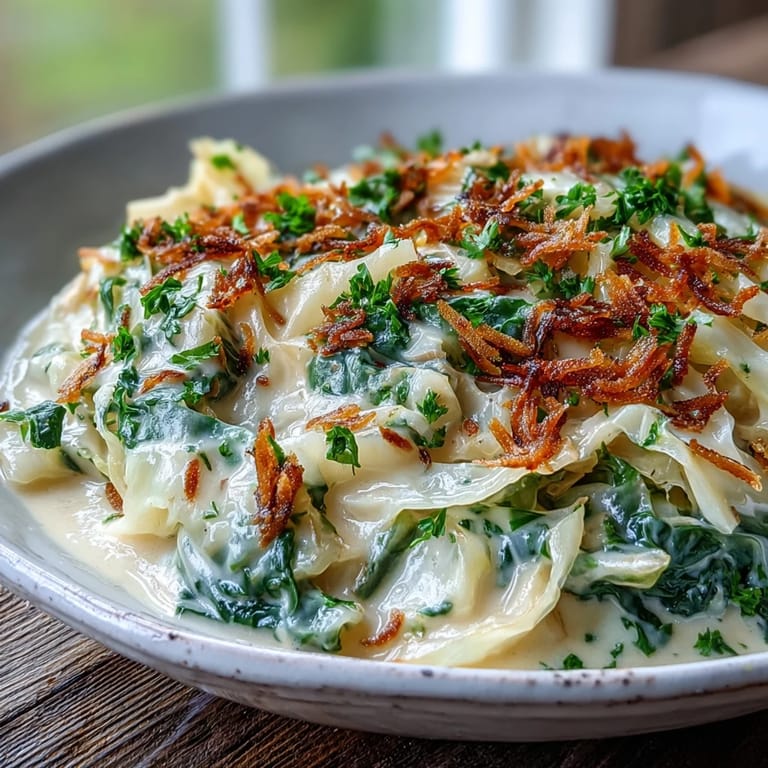
- Bring the mixture to a gentle simmer, then cover the pan and lower the heat. Let it cook for 15 to 18 minutes, stirring every so often, until the cabbage is meltingly tender and has absorbed the spiced coconut broth.
- Thicken if desired:
- Remove the lid and cook uncovered for another 3 to 5 minutes if you want a thicker, creamier sauce. The liquid will reduce slightly and cling to the cabbage.
- Adjust seasoning:
- Taste and add more salt or chili flakes as needed. Cabbage can be surprisingly bland if underseasoned, so don't be shy.
- Garnish and serve:
- Transfer to a serving dish and top with chopped cilantro and toasted coconut flakes. The herbs add freshness and the coconut gives a little textural contrast.
 Pin it
 One winter evening, I made this for myself after a long day and ate it straight from the pan with a spoon, standing at the counter. There was something comforting about the warmth, the creaminess, the way the turmeric stained my wooden spoon yellow. It wasn't fancy, but it felt like exactly what I needed. That's when I realized this dish isn't just a side, it's a small act of care you can offer yourself or anyone at your table.
Serving Suggestions
This cabbage shines alongside basmati rice or jasmine rice, where the creamy sauce can pool into the grains. I've also served it next to grilled chicken thighs, roasted salmon, or spooned over baked sweet potatoes for a vegan dinner that feels complete. It works beautifully as part of a mezze-style spread with flatbreads, pickles, and roasted vegetables. A squeeze of lime or a dollop of yogurt (if you're not keeping it vegan) adds brightness that balances the richness.
Storage and Reheating
Store leftovers in an airtight container in the fridge for up to four days. The cabbage continues to soak up the sauce as it sits, so it might look a bit drier when you reheat it. Add a splash of coconut milk or broth when warming it up on the stovetop over low heat, stirring gently until it's creamy again. I don't recommend freezing this, the texture of the cabbage can turn a little watery once thawed.
Variations and Swaps
If you want to add protein, stir in cooked chickpeas or cubed tofu during the last five minutes of simmering. Napa or savoy cabbage work beautifully here and cook a bit faster than green cabbage. For a spicier version, add a sliced fresh chili along with the garlic and ginger. Sometimes I throw in a handful of spinach or kale at the end just to wilt it into the sauce.
- Swap cumin for coriander if you prefer a brighter, citrusy note.
- Use light coconut milk if you want a less rich version, though the texture won't be quite as silky.
- Try adding a teaspoon of curry powder instead of the individual spices for a quicker shortcut with similar warmth.
 Pin it
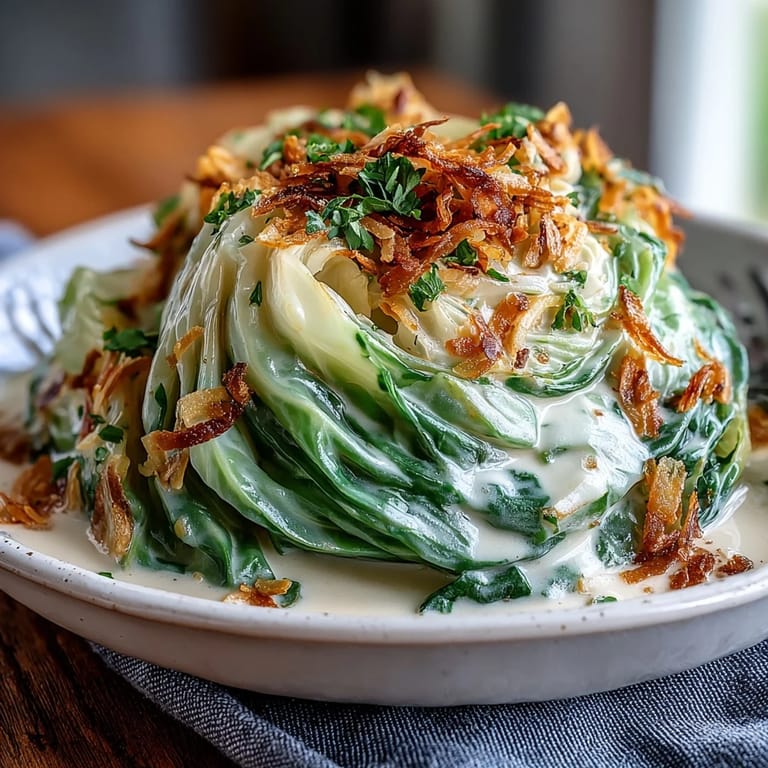
 This is the kind of recipe that asks very little and gives back so much. I hope it becomes a quiet favorite in your kitchen, the way it has in mine.
Recipe FAQs
- → Can I use light coconut milk instead of full-fat?
While you can use light coconut milk, the dish will be less rich and creamy. Full-fat coconut milk provides the signature silky texture and depth of flavor that makes this dish special.
- → How do I store leftover coconut braised cabbage?
Store leftovers in an airtight container in the refrigerator for up to 4 days. Reheat gently on the stovetop over low heat, adding a splash of water or coconut milk if needed to loosen the sauce.
- → Can I make this dish spicier?
Absolutely! Increase the chili flakes to 1 teaspoon or add a fresh sliced chili pepper when sautéing the aromatics. You can also finish with a drizzle of chili oil for extra heat.
- → What type of cabbage works best?
Green cabbage is ideal for its sturdy texture and mild flavor, but savoy cabbage creates a more delicate dish, and napa cabbage cooks faster for a softer result. All work beautifully in this preparation.
- → Can I prepare this ahead of time?
Yes, this dish reheats wonderfully. Prepare it up to 2 days in advance and store refrigerated. The flavors often deepen overnight, making it even more delicious the next day.
- → What proteins pair well with this side dish?
This coconut braised cabbage complements grilled chicken, pan-seared fish, roasted tofu, or lamb beautifully. It also works as a base for fried eggs or alongside lentil curries for a complete vegetarian meal.