 Pin it
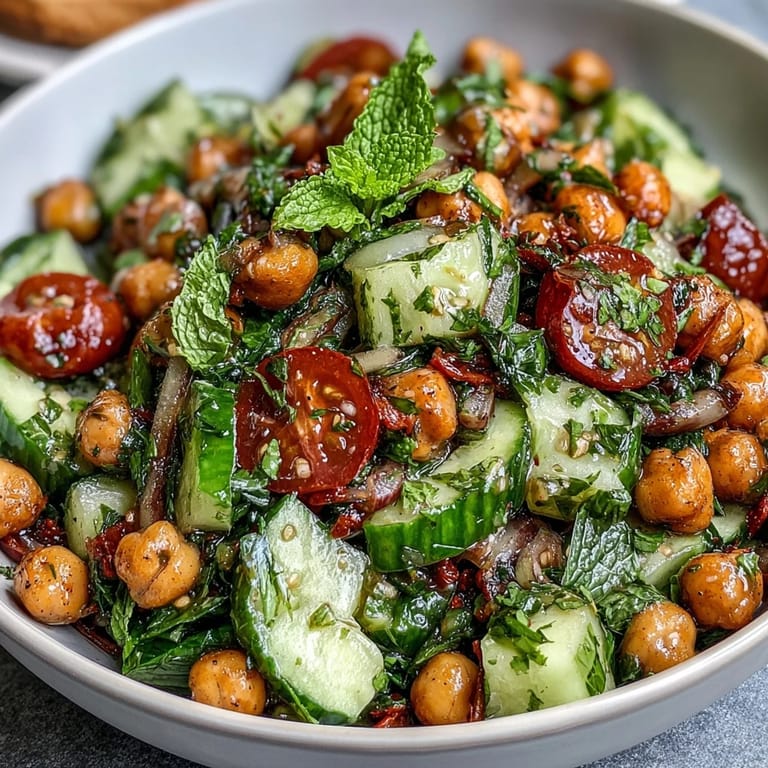
 There's something about the sound of a knife hitting a cutting board on a quiet afternoon that makes me want to put together something bright and nourishing. One summer, I found myself with a can of chickpeas, a perfectly crisp cucumber, and the kind of hunger that needed something fresh rather than heavy. That first bite of this salad changed how I thought about lunch—suddenly it wasn't a chore to eat well, it was actually something I looked forward to.
I made this for my coworker who kept complaining that salads were boring, and watching her go back for seconds felt like a small victory. She asked for the recipe that same day, and now it's become her go-to lunch when she's tired of the same old routines. There's real power in a salad that people actually want to eat.
Ingredients
- Chickpeas (one 15 oz can, drained and rinsed): These are your protein anchor—don't skip rinsing them because that starchy liquid they sit in can make the salad gummy and dull the flavors.
- English cucumber (1 large, diced): English cucumbers have thinner skins and fewer seeds, so they give you more crunch without the watery blandness of regular cucumbers.
- Cherry tomatoes (1 cup, halved): They hold their shape better than regular tomatoes and their sweetness balances the sharpness of the lemon beautifully.
- Red onion (1/4 small, finely diced): A quarter is enough to give you bite without overwhelming the other flavors—the red variety is milder than yellow anyway.
- Fresh parsley (1/4 cup, chopped): This is where earthiness comes in; it's not just a garnish, it actually builds the flavor profile of the whole dish.
- Fresh mint (1/4 cup, optional): If you add this, it lifts everything—your nose will tell you whether it's the right choice for your mood that day.
- Extra virgin olive oil (3 tbsp): This is the backbone of your vinaigrette, so use something you'd actually taste on bread; cheap oil tastes cheap.
- Freshly squeezed lemon juice (2 tbsp): Bottled lemon juice will give you a harsh, one-note flavor, so squeeze it fresh—your palate will know the difference.
- Lemon zest (1 tsp): Those tiny bright flecks are where the magic happens; they're the most flavorful part of the lemon.
- Dijon mustard (1 tsp): This acts as an emulsifier and adds a subtle sharpness that makes you taste the salad more fully.
- Honey or maple syrup (1/2 tsp, optional): Just a whisper of sweetness rounds out the vinaigrette and keeps it from being one-dimensional.
- Sea salt and black pepper (1/2 tsp and 1/4 tsp): Always finish with these after tasting—seasoning is the difference between forgettable and craveable.
Tired of Takeout? 🥡
Get 10 meals you can make faster than delivery arrives. Seriously.
One email. No spam. Unsubscribe anytime.
Instructions
- Gather your vegetables in one place:
- Toss the drained chickpeas, diced cucumber, halved tomatoes, minced red onion, and chopped parsley into a large bowl—and mint too if that's calling to you. This is the moment where you can smell everything coming alive together.
- Build the vinaigrette in a separate vessel:
- Whisk the olive oil, lemon juice, zest, mustard, honey if you're using it, salt, and pepper together in a small bowl or jar until it emulsifies and tastes balanced. You want it to taste almost too sharp on its own—that's how you know it's going to sing when it meets the salad.
- Bring everything together:
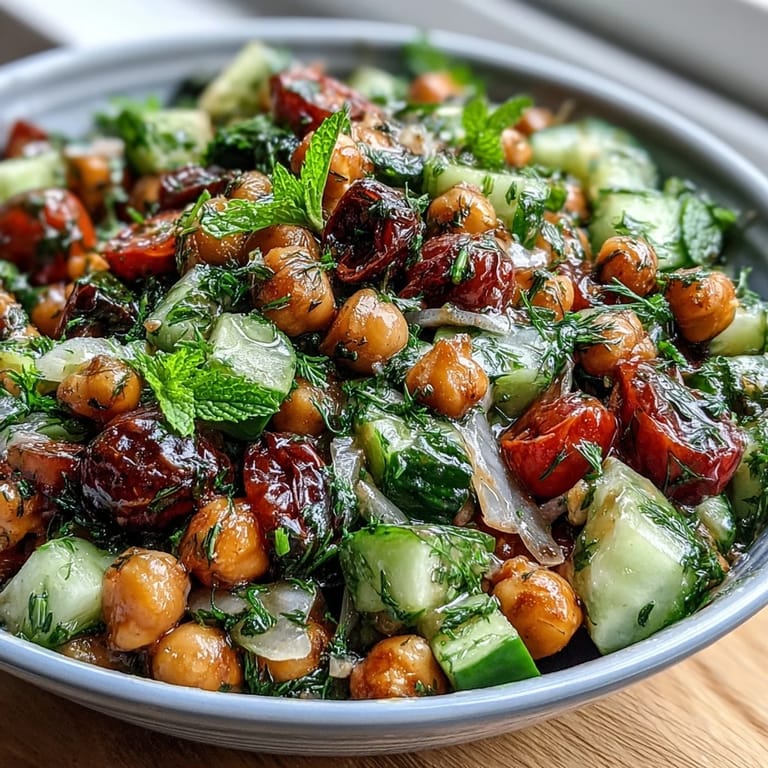
- Pour that golden vinaigrette over your vegetables and toss gently, coating everything without bruising the cucumbers. The vegetables should glisten, not swim in dressing.
- Taste and trust your instincts:
- This is your moment to adjust—does it need more salt, more lemon, a touch more honey? Don't skip this step.
- Serve or refrigerate:
- You can eat it immediately while everything is still at its crispest, or let it chill for up to two hours if you want the flavors to deepen. Both versions are honest and delicious.
 Pin it
 My grandmother once told me that good food doesn't need to shout to be remembered, and this salad proved her right. It's become the thing I make when I want to feel like I'm taking care of myself without feeling deprived.
Why This Works as a Meal
The chickpeas aren't just protein—they're hearty enough that this salad can stand on its own as lunch instead of being a side dish you're still hungry after. The combination of fresh herbs and acid from the lemon creates a flavor experience that makes you slow down and actually enjoy what you're eating, rather than rushing through it.
Making It Your Own
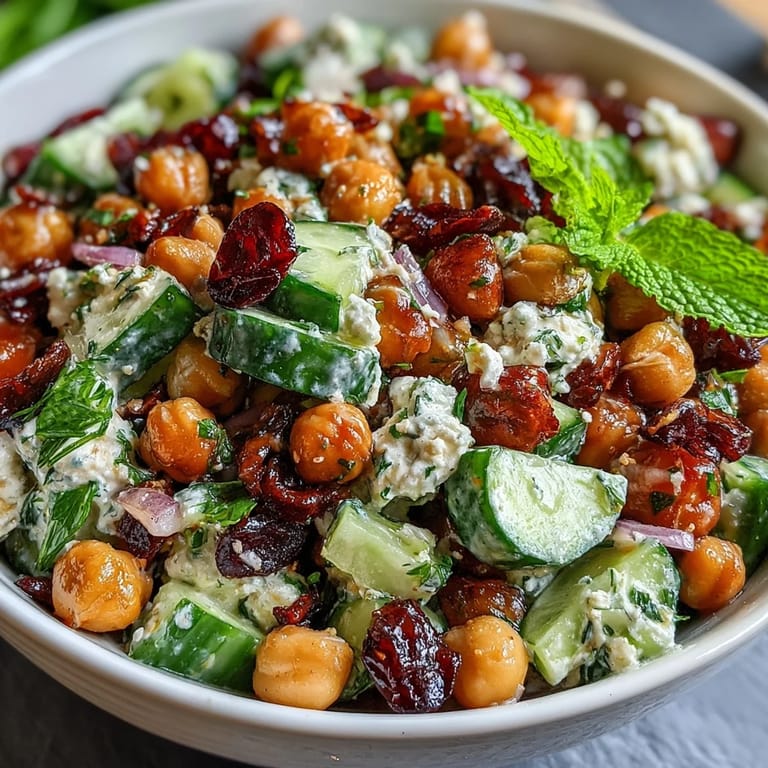
This salad is a foundation, not a prison. I've added crumbled feta on days when I wanted something richer, swapped dill for the parsley when I was leaning into a different mood, and served it alongside grilled chicken when I needed more protein. The vinaigrette is what ties everything together, so that's what I never change—but the vegetables and herbs are yours to play with based on what's in season or what you're craving.
Smart Timing and Storage
I learned the hard way that meal prepping this requires a light touch—if you mix everything the night before, by lunchtime you've essentially made a different dish. The best strategy is to prep all your vegetables and store them separately, whisk the vinaigrette in a jar, and combine everything just before you eat. This salad also travels well in a container with the dressing on the side if you're taking it to work or a picnic.
- Keep your dressing in a separate container or jar so you control when and how much flavor hits your vegetables.
- Wash and dry your cucumber and tomatoes thoroughly so excess water doesn't dilute the vinaigrette.
- If you're eating this over multiple days, add fresh herbs right before serving so they don't turn dark and bitter.
 Pin it
 This salad has become my proof that eating well doesn't have to be complicated or time-consuming. It's just good ingredients treated with a little care and respect.
Recipe FAQs
- → What makes this salad healthy?
It combines fresh vegetables and chickpeas, providing fiber, protein, and vitamins, with heart-healthy olive oil and zesty lemon vinaigrette.
- → Can I make this salad ahead of time?
Yes, but keep the dressing separate until ready to serve to preserve freshness and texture.
- → Are there vegetarian or vegan options?
Absolutely. The salad is naturally vegan and vegetarian; optional toppings like feta cheese can be omitted for vegan diets.
- → How can the flavors be adjusted?
Add or substitute herbs like dill or basil for parsley and mint, adjust lemon and seasoning to taste.
- → What serving suggestions pair well?
Works great as a light lunch or side alongside grilled proteins such as chicken or fish.