 Pin it
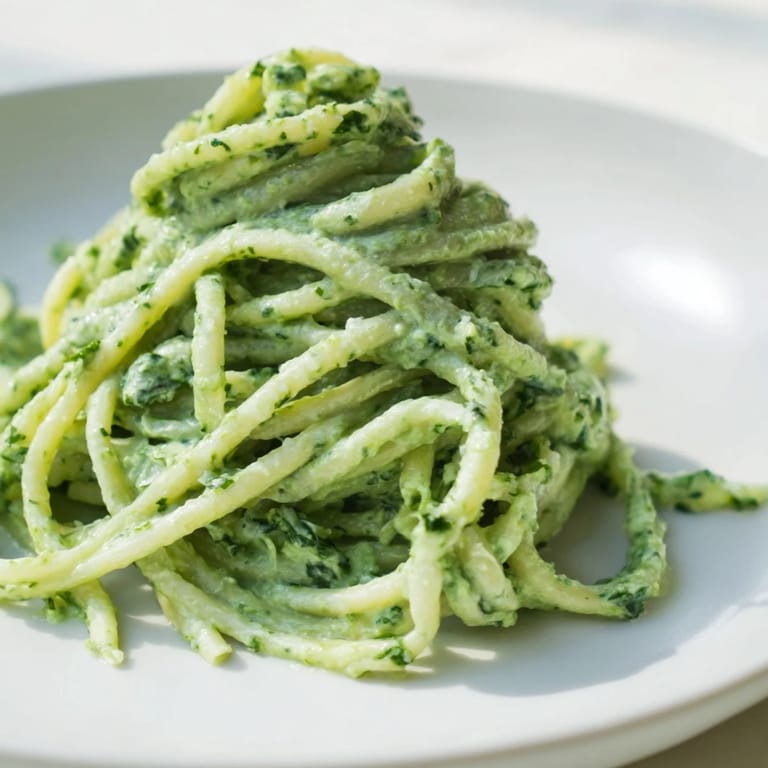
 There's something about making sauce in a blender that feels like you're creating edible magic—one moment you've got a pile of green leaves and the next, something silky and vibrant that coats pasta like a dream. I discovered this green goddess sauce on a weeknight when I had a handful of herbs that needed rescuing from the back of my crisper drawer, and what started as improvisation became something I now make on repeat. The beauty of it is how it tastes like springtime in every bite, herbaceous and bright without being heavy, and the kind of sauce that makes people ask for the recipe before they've even finished their plate.
I made this for a dinner party where someone mentioned they were trying to eat more greens, and watching their face light up when they realized they were eating an entire cup of fresh herbs in sauce form was worth the tiny bit of extra effort. Everyone at that table asked if it was restaurant-quality, and I loved being able to say it came from my own kitchen in less than half an hour.
Ingredients
- Baby spinach and green cabbage: The spinach melts into silkiness while the cabbage adds subtle sweetness and texture—use truly fresh greens or the sauce will taste dull.
- Fresh parsley, basil, and chives: These are the soul of the sauce, so don't skip them or substitute dried herbs; the difference is everything.
- Tarragon: Optional but transforms the sauce from good to unexpectedly sophisticated if you have it on hand.
- Garlic and green onions: Just enough to add depth without overpowering the herbs—mince them fine so they blend completely.
- Avocado: Creates creaminess without heavy cream, adding richness that Greek yogurt alone can't quite achieve.
- Greek yogurt and mayonnaise: The backbone that makes it creamy and pourable—Greek yogurt keeps it lighter while mayo ensures silkiness.
- Parmesan cheese: A small amount adds umami and saltiness that balances the fresh herbs perfectly.
- Fresh lemon juice and white wine vinegar: These keep everything bright and prevent the sauce from tasting one-dimensional.
- Olive oil: Use good quality here since it's not being cooked; it contributes to both flavor and texture.
- Pasta water: The secret to adjusting consistency while keeping the sauce's flavor intact.
Tired of Takeout? 🥡
Get 10 meals you can make faster than delivery arrives. Seriously.
One email. No spam. Unsubscribe anytime.
Instructions
- Get your pasta cooking:
- Bring a large pot of salted water to a rolling boil and add pasta, stirring occasionally so nothing sticks together. You want it al dente—tender but still with a tiny bit of resistance when you bite into it. Before draining, scoop out about half a cup of that starchy cooking water and set it aside, since you'll need it to loosen the sauce.
- Prepare your green foundation:
- While the pasta cooks, grab your blender or food processor and add all the fresh greens, herbs, garlic, green onions, and avocado. Add the Greek yogurt, mayo, Parmesan, lemon juice, vinegar, and olive oil, then season with salt and pepper. Don't blend yet—just get everything in there so you can see what you're working with.
- Blend until silky:
- Run the blender on medium speed, stopping to scrape down the sides every few seconds so nothing hides from the blades. You're aiming for a smooth, creamy sauce with no visible chunks of herb or vegetable. If it's too thick, add your reserved pasta water one tablespoon at a time while blending until it reaches that perfect pourable consistency.
- Taste and adjust:
- This is crucial—taste a spoonful and decide if it needs more salt, pepper, or a squeeze of fresh lemon juice. The sauce should taste vibrant and herbaceous, never dull or flat. Trust your palate here.
- Combine pasta and sauce:
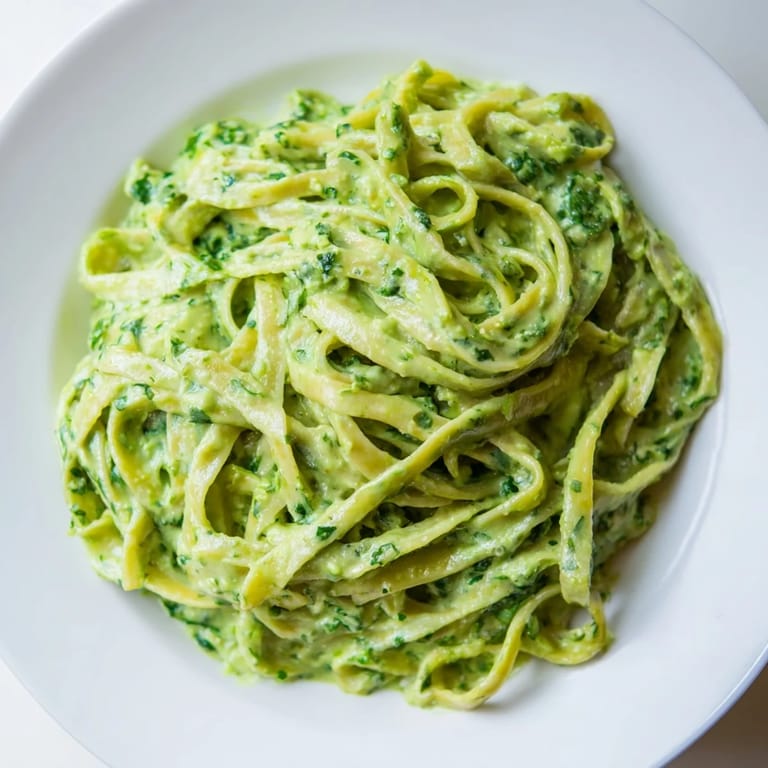
- Drain the hot pasta and immediately toss it with the green goddess sauce in a large bowl, stirring gently so every strand gets coated. The heat of the pasta will warm the sauce just enough without cooking it down.
- Plate and serve:
- Transfer to serving bowls and scatter extra fresh herbs and Parmesan on top while the pasta is still warm. Serve immediately and watch people fall in love with it.
 Pin it
 I'll never forget the quiet moment when my daughter took her first bite and closed her eyes like she was tasting something secret. That's when I knew this wasn't just a way to use up leftover herbs—it was something that would become part of our family rotation, requested and anticipated. Sometimes the best dishes are the ones that sneak up on you.
Why Fresh Herbs Matter So Much Here
The entire character of this sauce lives or dies by the quality of your herbs, and I learned this the hard way by once trying to make it with herbs that had been sitting in my fridge for too long. Fresh, fragrant herbs make the sauce taste like a spring garden in a bowl, while anything past its prime just tastes muted and forgettable. If you can, buy herbs the same day you plan to make this, or keep them wrapped in a damp paper towel in your crisper so they stay perky and aromatic. The difference between herb that's had a few good days and herb that's been lurking around is dramatic.
Making It Your Own
This sauce is forgiving in the best ways, happy to bend to whatever you have on hand or whatever you're craving. If you love mint, throw some in alongside the basil—it adds brightness. If walnuts or pine nuts are calling your name, toast a handful and scatter them over top for a completely different textural experience. For a vegan version, swap the Greek yogurt for coconut yogurt or silken tofu, use vegan mayo, and skip the Parmesan or use a nutritional yeast instead. Even serving it cold as a pasta salad the next day transforms it into something almost entirely new.
Storage and Make-Ahead Tips
I make this sauce fresh most of the time because it tastes best that way, but you can refrigerate it in an airtight container for up to three days if you need to get ahead. The sauce will darken slightly and the herbs will lose a bit of their brightness, but it still tastes delicious, especially if you give it a quick stir and add a tiny squeeze of fresh lemon juice before serving. You can also freeze it in portions, though the texture becomes slightly separated when thawed—just blend it gently again or whisk it vigorously and it comes back together beautifully.
- Make the sauce up to a few hours ahead, store it covered in the fridge, and bring it to room temperature before tossing with hot pasta.
- Leftover sauce works wonderfully dolloped on roasted vegetables, swirled into soups, or used as a dip for raw veggies and crackers.
- If you're meal prepping, keep the sauce and pasta separate and combine them just before eating for the best texture and flavor.
 Pin it
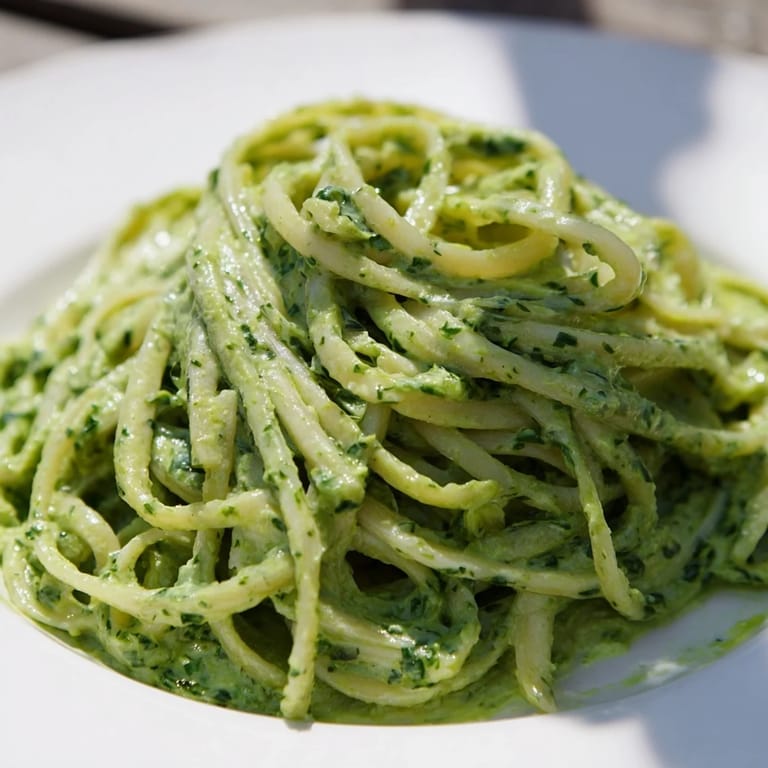
 This is the kind of sauce that reminds me why I love cooking—simple ingredients, minimal time, maximum impact. Make it and taste what happens when fresh herbs get their moment to shine.
Recipe FAQs
- → Can I use vegan substitutes for dairy ingredients?
Yes, plant-based yogurt and vegan mayonnaise can replace dairy for a vegan-friendly sauce. Omit or use vegan cheese instead of Parmesan.
- → How can I adjust the sauce consistency?
Add reserved pasta cooking water gradually while blending to reach a pourable, creamy consistency.
- → What pasta types work best with this sauce?
Long pastas like linguine or spaghetti, as well as shapes like penne, hold the sauce well and enhance texture.
- → Can I prepare this sauce ahead of time?
Yes, make the sauce in advance and refrigerate. Bring to room temperature and stir well before tossing with pasta.
- → What herbs give this sauce its distinctive flavor?
Fresh spinach, parsley, basil, chives, and optional tarragon create the vibrant, herbaceous profile characteristic of the sauce.