 Pin it
 My neighbor Marcus knocked on my door one Saturday morning with that look—the one that says he's planning something. Turns out, he'd volunteered us both to bring food to the community picnic that afternoon, and his idea was brilliant: instead of showing up with pre-made sandwiches that nobody wants, we'd build a whole board where people could assemble exactly what they craved. I'd never thought of it that way before, but watching him spread ingredients across my biggest serving board like he was conducting an orchestra made me realize this was genius. That day changed how I think about feeding a crowd.
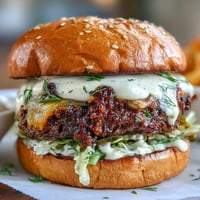
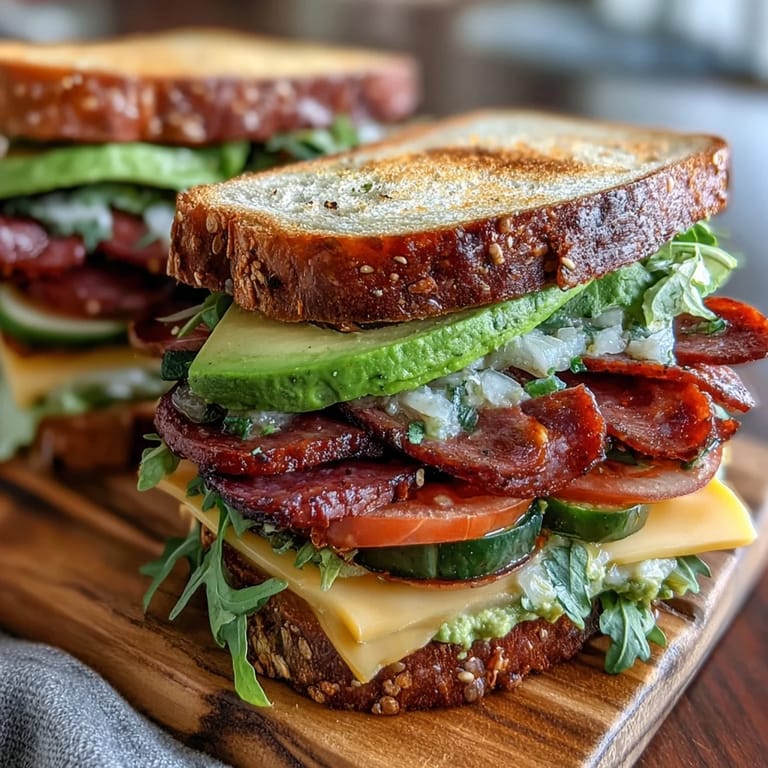
The picnic that day was chaos in the best way. My shy colleague David, who I'd never really talked to, spent twenty minutes crafting this towering sandwich with every vegetable we had while telling me about his garden. The roast beef stayed mostly untouched while the hummus and pesto disappeared like magic, which told me something important about what people actually wanted to eat when given the choice. Food became the reason we had real conversations instead of just standing around making small talk.
Ingredients
- Ciabatta rolls: These handle the weight of piled toppings without falling apart, and their slight chew actually absorbs spreads better than softer bread.
- Whole grain sandwich rolls: They add nutritional depth and a nuttier flavor that pairs beautifully with heavier meats like roast beef.
- Sourdough bread: The tang cuts through rich mayo and cheese, and it's sturdy enough to slice thin without crumbling.
- Smoked turkey breast: Lean but flavorful, it appeals to health-conscious guests while still feeling substantial.
- Honey ham: The sweetness is surprisingly important—it acts as a bridge between savory and the fresh vegetables.
- Roast beef: This is your umami anchor; it makes even simple combinations feel restaurant-quality.
- Salami: A little goes a long way here, so don't skimp despite the smaller quantity—people will reach for it repeatedly.
- Swiss, cheddar, and provolone cheeses: Three different melting points and flavors mean everyone finds their match; the provolone especially won't overpower delicate turkey.
- Fresh tomatoes: Slice them right before serving or they'll release water and make bread soggy—I learned this the hard way.
- Cucumber and red onion: The cooling crunch is essential for balance against the richness of meats and mayo.
- Romaine lettuce: Heartier than iceberg and won't wilt even if someone's sandwich sits for a few minutes.
- Baby spinach: A subtle green that doesn't compete for attention but adds iron and body.
- Avocado: Slice it last possible moment, or toss with a tiny squeeze of lemon to prevent browning.
- Dill pickle slices: The acid is a secret weapon that wakes up every flavor it touches.
- Mayonnaise, Dijon mustard, hummus, pesto, and honey mustard: This range lets people build flavor profiles from tangy to herbaceous to creamy without anyone feeling limited.
- Black olives, banana pepper rings, and sun-dried tomatoes: These extras transform a basic sandwich into something that feels intentional and special.
Tired of Takeout? 🥡
Get 10 meals you can make faster than delivery arrives. Seriously.
One email. No spam. Unsubscribe anytime.
Instructions
- Lay out your canvas:
- Arrange all your breads across the board first, creating a foundation that makes everything feel organized. If you're using a wooden board, the bread actually provides a beautiful contrast that makes the colors of the meats and vegetables pop.
- Create meat and cheese zones:
- Group each type of meat together and do the same with cheeses, because people scan visually and they'll feel more confident picking things if everything's clearly separated. Layer the slices loosely so guests can grab what they need without causing an avalanche.
- Distribute the vegetables:
- You can either keep them in small bowls or arrange them directly on the board depending on how you feel—bowls are easier to refill and keep things from wilting, but on-board looks more generous. Keep tomatoes in their own space so their moisture doesn't seep onto other ingredients.
- Pour your condiments:
- Transfer spreads into small bowls with serving spoons or knives so people don't double-dip or end up with half a tomato in the mayo. Having multiple small bowls of the same condiment actually makes traffic move faster and prevents bottlenecks.
- Give it a final look:
- Step back and see if there are any gaps or if something's getting buried—a little rearranging here takes thirty seconds but makes the difference between a board that invites people in and one that feels overwhelming.
- Set it out and step back:
- The magic happens when you're not hovering, explaining everything. Let people discover flavors and combinations on their own—you might be surprised what works.
 Pin it
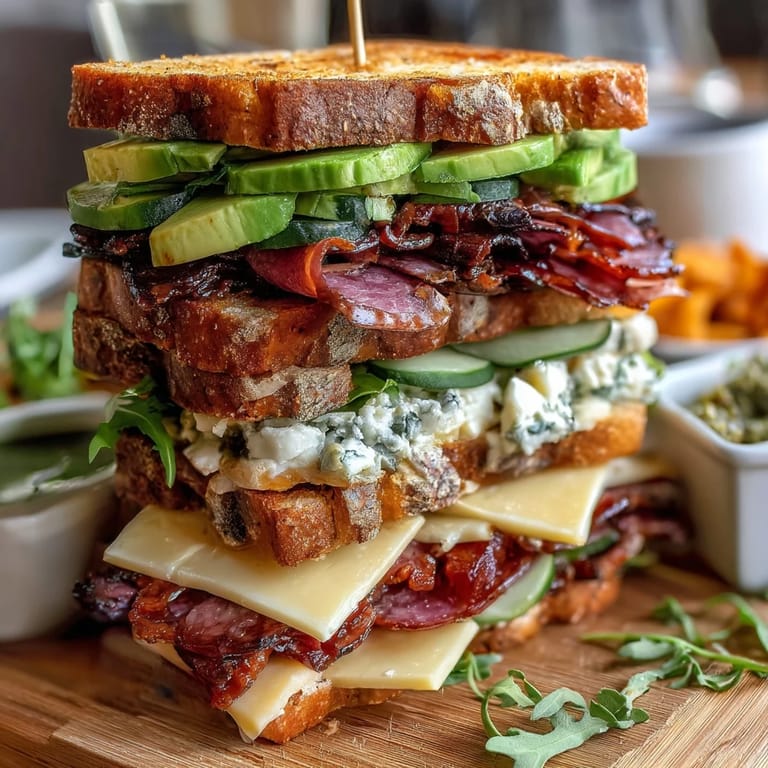
 What struck me most wasn't just that people loved building their own sandwiches, but that it created this strange intimacy around food. Someone would ask someone else for advice on what combination to try, and suddenly strangers were having genuine conversations. My friend Elena made this towering thing with every spread and both of us laughed because it looked ridiculous, but she absolutely loved it and made another one right after.
The Secret Behind the Board
The beauty of this approach is that it dissolves the anxiety people feel at parties around food. Nobody worries they'll get something they don't like because they're literally choosing every element. I've watched people who claim they're picky eaters build three different sandwiches because each combination felt different, exciting even. The board isn't just convenient—it's psychologically smart.
Timing and Transport
If you're taking this somewhere, assemble the board right before you leave, or pack components separately and arrange them on-site. The exception is the breads and hard items like olives and pickles—those travel perfectly fine. One tip I learned: put your spreads in sealed containers and transfer to bowls only when people are ready to eat, because somehow mayo always ends up a little drier after sitting out than you'd expect.
Making It Work for Every Dietary Need
What made this board work at that picnic was that everyone found something they wanted, even my vegetarian coworker and my friend who avoids processed meats. You don't need to sacrifice quality or quantity to accommodate different eating styles. The hummus, vegetables, cheeses, and spreads create enough combinations that someone could build a completely satisfying sandwich without touching the deli counter. Add a few items like grilled vegetables, hard-boiled eggs, or quality plant-based slices and nobody feels like an afterthought.
- Set up spreads first and foremost, because great spreads make even simple vegetable combinations taste intentional.
- Toast bread options if you're using gluten-free varieties, since they benefit from texture help.
- Keep egg-free mayo and dairy-free spreads clearly labeled so people with allergies can navigate confidently.
 Pin it
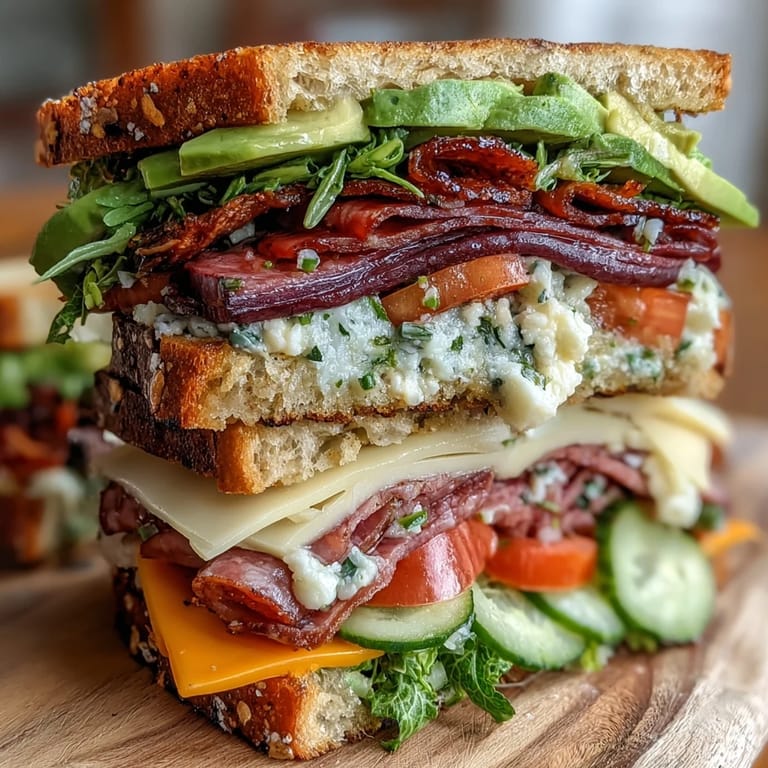
 This board became my go-to move for any gathering where I want people to feel cared for without being tied to a kitchen. It's simple enough that you can throw it together in less than thirty minutes, but it looks and feels like you spent all day on it.
Recipe FAQs
- → What breads work best on the deli board?
Ciabatta, whole grain sandwich rolls, and sourdough slices offer a mix of textures and flavors that complement the deli meats and cheeses well.
- → How should meats and cheeses be arranged?
Place deli meats and cheese slices in separate sections on the board to keep them neat and easy for layering.
- → What fresh vegetables enhance the board?
Sliced tomatoes, cucumber, red onion, romaine lettuce, baby spinach, and avocado bring freshness and balance to the savory items.
- → Which spreads add the best flavor variety?
Mayonnaise, Dijon mustard, hummus, pesto, and honey mustard provide a good range from creamy to tangy and herbal notes.
- → Can this board accommodate dietary preferences?
Yes, offering grilled vegetables, plant-based deli slices, or gluten-free bread allows customization for different dietary needs.
- → How to keep the board fresh for transport?
Cover and refrigerate the assembled components separately, then combine at the picnic site right before serving.