 Pin it
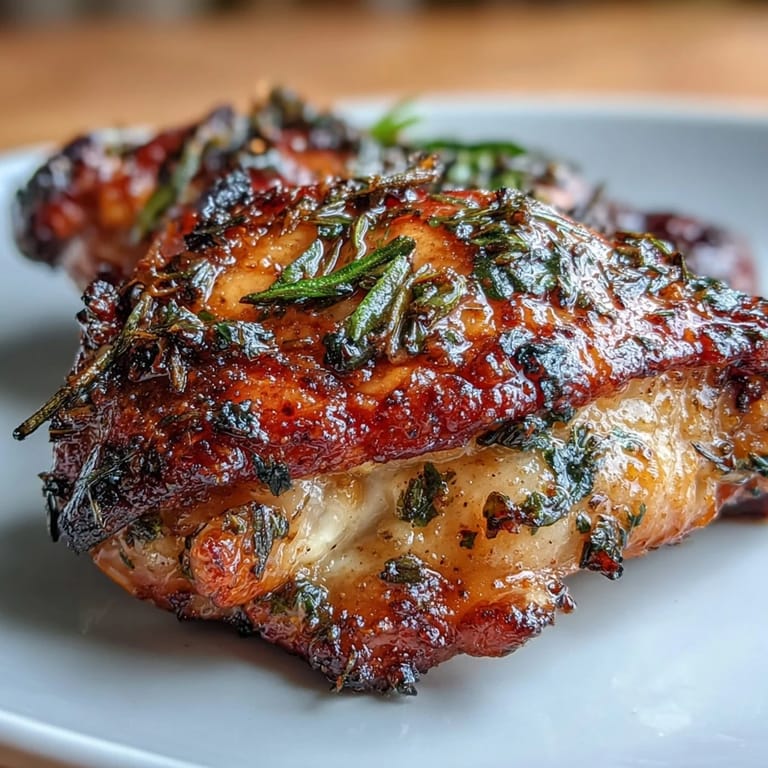
 My neighbor knocked on my kitchen door one autumn evening with a bag of fresh rosemary and thyme from her garden, asking if I could use them before they got woody. That night, I pulled together this orange herb roasted chicken almost by instinct—zesting citrus over a whole bird, nestling it on a bed of root vegetables that would turn golden and sweet in the oven's heat. The house filled with this incredible aroma of herbs and caramelized sugar, and I realized I'd stumbled onto something that felt both elegant and completely unpretentious.
I made this for my book club last winter, and I'll never forget how everyone went quiet the moment they took their first bite—not in a polite way, but in that real way where food just hits right. Someone asked for the recipe before dessert even came out, and now three different friends text me photos of their versions throughout the year.
Ingredients
- 1 whole chicken (about 1.5 kg / 3.3 lbs), giblets removed: Choose one that feels substantial in your hands; a good bird makes all the difference, and patting it dry before seasoning helps the skin turn gorgeously golden.
- 2 oranges (zested and juiced): Use ones with thick, unblemished skin if you can find them, and zest before cutting to catch every bit of that fragrant oil.
- 3 tbsp olive oil: This carries all the flavor into the meat and helps create that crispy skin everyone dreams about.
- 4 garlic cloves, minced: Fresh garlic is non-negotiable here; it mellows beautifully as everything roasts together.
- 2 tbsp fresh rosemary, chopped: If you only have dried, use a third of the amount—it's more concentrated and can easily overpower.
- 1 tbsp fresh thyme leaves: Strip these delicate leaves right from the stems just before you need them for maximum flavor.
- 1 tbsp fresh parsley, chopped: This adds a gentle brightness that keeps the herbs from feeling one-note.
- 1 tsp salt, ½ tsp black pepper: Season generously—the vegetables will absorb much of it, and bland roasted chicken is a tragedy worth avoiding.
- 3 medium carrots, peeled and cut into 2-inch pieces: Cut them roughly the same size so they roast evenly without some turning to mush while others stay firm.
- 2 parsnips, peeled and cut into 2-inch pieces: Parsnips have a subtle sweetness that plays beautifully with the orange; if you can't find them, carrots work but you'll lose something special.
- 2 medium potatoes, cut into chunks: Waxy varieties hold their shape better than starchy ones if you're not sure which to grab.
- 1 large red onion, cut into wedges: The red onion's slight sweetness and deep color make this prettier and more interesting than regular yellow onions.
- 1 small sweet potato, peeled and cut into chunks: This adds unexpected sweetness and nutrition; it's the secret ingredient people try to guess.
Tired of Takeout? 🥡
Get 10 meals you can make faster than delivery arrives. Seriously.
One email. No spam. Unsubscribe anytime.
Instructions
- Build your marinade:
- Whisk together the orange zest, juice, olive oil, garlic, rosemary, thyme, parsley, salt, and pepper in a small bowl until it's fragrant and well combined. You'll know it's right when the smell makes you pause and appreciate what you're about to create.
- Prepare the bird:
- Pat your chicken completely dry with paper towels—this is the step that actually matters for crispy skin, not just something chefs say. Rub half the marinade all over the chicken, working it under the skin gently and stuffing the cavity with a few orange peels and herb sprigs if you're feeling generous.
- Ready the vegetables:
- Toss all your root vegetables and red onion with the remaining marinade in your roasting pan, making sure every piece gets coated. Spread them in an even layer where they'll serve as both flavor and a natural roasting rack for the chicken.
- Assemble for roasting:
- Place the chicken breast-side up right on top of the vegetables. This positioning keeps the breast meat from drying out while the vegetables continue cooking below, catching all the dripping juices.
- Roast until golden:
- Put everything in a preheated 400°F oven and let it go for about an hour and twenty minutes, basting the chicken with pan juices halfway through if you remember. The skin should be deep golden and crackly, and when you poke the thickest part of the thigh with a thermometer, it should read 165°F.
- Let it rest and serve:
- Tent the whole pan loosely with foil and give it ten minutes to rest—those juices redistribute through the meat and everything stays tender instead of dry. Carve at the table if you're feeling fancy, scatter fresh herbs and orange slices on top, and watch people's faces light up.
 Pin it
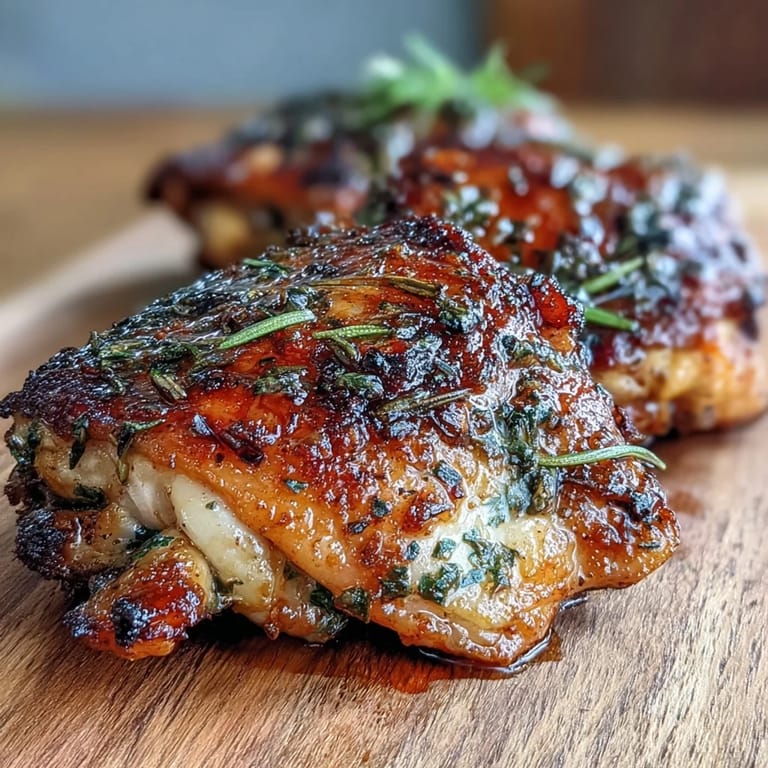
 There was one Sunday when my teenager actually set down their phone at dinner because they were too busy eating this chicken to care. That moment, when food creates enough of a pause in someone's day that they actually notice what's in front of them—that's when I knew this recipe had earned its place in permanent rotation.
The Orange Factor That Changes Everything
I used to think citrus in savory dishes was a thing fancy restaurants did just to be different, until I really tasted how the orange juice brightens the rich chicken fat and keeps the whole dish from feeling heavy or one-dimensional. The zest adds an almost imperceptible floral note that makes people say things like delicious but I can't quite put my finger on why. Once you understand that orange isn't trying to taste like orange here—it's just helping everything else taste more like itself—you'll start seeing citrus completely differently.
Why Root Vegetables Matter More Than You Think
Those vegetables aren't just sides; they're a crucial part of the whole picture, absorbing every drop of the marinade and pan juices until they're caramelized and almost sweet. I learned this the hard way by making roasted chicken with just potatoes for years, thinking I was missing something technical when really I was missing the variety and complexity that different vegetables bring. A parsnip roasted this way tastes nothing like a parsnip you've had before—sweeter, more tender, almost buttery—and the sweet potato adds a totally different note that makes you want to keep eating.
Timing and Temperature Lessons From Trial and Error
The first time I made this, I didn't have a thermometer and just guessed when the chicken was done, which meant it sat on the table looking golden but came off slightly undercooked and way less juicy than it should have been. Now I'm religious about checking the temperature, and I've learned that a meat thermometer is one of those cheap tools that actually changes your cooking forever. If you don't have one, get one before your next roasted chicken—seriously, it's five dollars and ends years of guessing.
- An instant-read thermometer in the thickest part of the thigh is the only way to know for certain, and 165°F is the magic number every single time.
- If your vegetables look like they're browning too fast before the chicken is done, you can loosely tent them with foil while keeping the chicken exposed.
- Cold chicken straight from the fridge takes longer to roast than room-temperature chicken, so pull it out about twenty minutes before you start cooking.
 Pin it
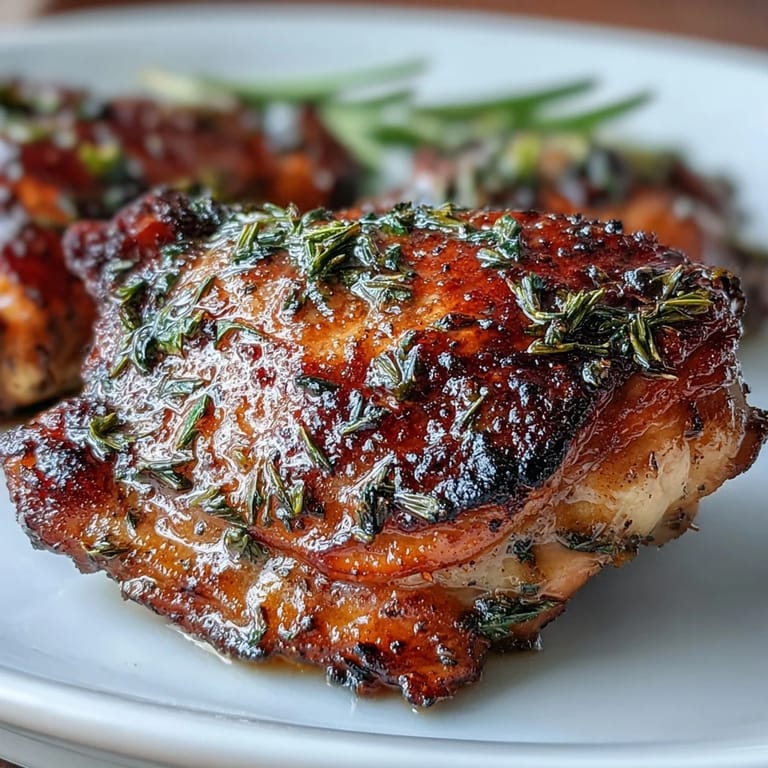
 This is the kind of meal that feels special enough for a dinner party but easy enough for a regular Tuesday when you want something that tastes like you tried harder than you actually did. Make it once and you'll find yourself reaching for it again and again, each time discovering something new about why it works.
Recipe FAQs
- → How do I ensure the chicken stays juicy?
Rubbing the marinade under the chicken skin and basting periodically during roasting helps retain moisture and infuse flavor.
- → Can I substitute any of the root vegetables?
Yes, parsnips can be swapped with extra carrots or turnips without altering the flavor balance significantly.
- → What temperature and time are ideal for roasting?
Roast at 400°F (200°C) for 1 hour 20 minutes or until the internal temperature reaches 165°F (74°C) for safe consumption.
- → How can I enhance the citrus flavor?
Including orange zest and juice in the marinade, along with stuffing some orange peels inside the cavity, amplifies the bright citrus notes.
- → What wine pairs well with this dish?
A light Chardonnay or dry Riesling complements the herbal and citrus flavors of the chicken and vegetables.