 Pin it
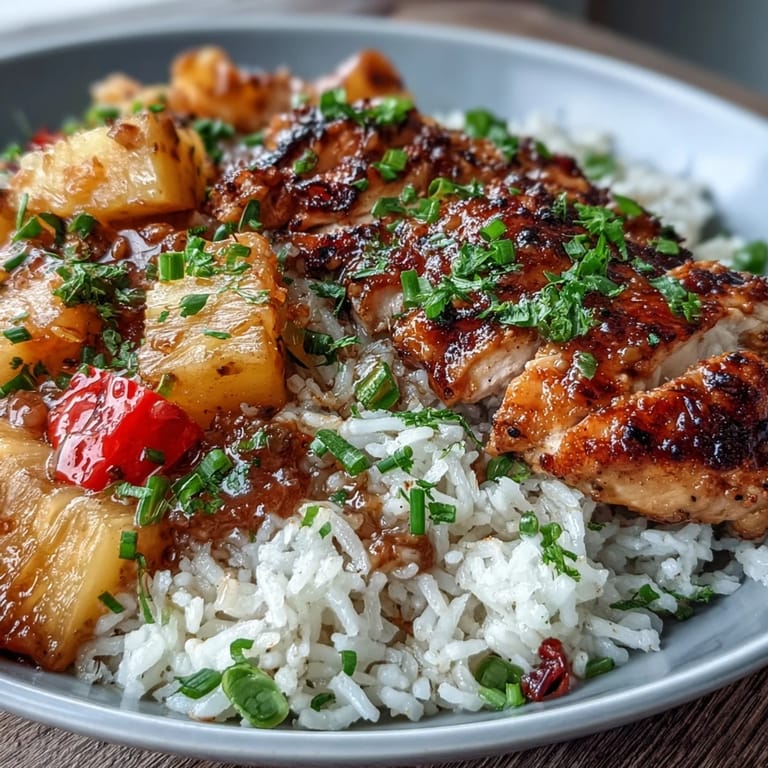
 Grilling season hit differently the year my neighbor showed up with a bag of fresh pineapple from their farmer's market haul, insisting I had to try something beyond the usual chicken-and-vegetables routine. We threw together these foil packets on a whim, and honestly, the magic wasn't just in how everything steamed together—it was the unmistakable smell of caramelizing pineapple mixing with ginger and garlic that stopped everyone mid-conversation. Now these packets are my go-to when I want something that feels fancy but requires zero fussing once the grill does its thing.
I'll never forget my friend asking if the chicken was actually cooked all the way through after we cracked open those steaming packets—the aroma was so gentle and fragrant that she wasn't convinced anything substantial had happened in there. When she took that first bite and the tender chicken practically fell apart, her skepticism turned into immediate requests for the recipe. That moment taught me that foil-packet cooking might seem passive, but the results speak loudly enough without any drama.
Ingredients
- Boneless, skinless chicken breasts (4, about 6 oz each): The blank canvas here—they stay moist because they're essentially poaching in their own sauce inside the foil, which beats pan-searing if you ask me.
- Uncooked long-grain white rice (1 cup, rinsed): Rinsing removes excess starch, so your rice won't turn gluey and will actually have some texture by the time everything's done.
- Fresh pineapple chunks (1 1/2 cups): Fresh tastes brighter than canned, but canned works fine if that's what you've got—just drain it well or you'll end up with mushy rice.
- Red bell pepper, diced: The sweetness complements the pineapple without making the whole thing cloying.
- Small red onion, thinly sliced: Raw onion adds a gentle bite that keeps things from feeling one-note.
- Sugar snap peas (1 cup, trimmed): They stay crisp-tender in the steam, adding texture that matters more than you'd think.
- Green onions, sliced: Save these for garnish at the end so they stay fresh and punchy.
- Low-sodium soy sauce (1/3 cup): The backbone of your sauce—use tamari if gluten is a concern, and honestly, it's just as good.
- Pineapple juice (1/4 cup): This dissolves the honey and carries all that tropical flavor directly into the rice.
- Honey (2 tablespoons): It caramelizes slightly as things cook, deepening the sweet-savory balance.
- Olive oil (2 tablespoons): Keeps everything from sticking and adds richness to the sauce.
- Garlic and ginger (2 cloves minced, 1 teaspoon grated): These two are what make your kitchen smell like you're actually trying instead of just reheating takeout.
- Black pepper and salt (1/2 teaspoon each): Seasoning the sauce directly means you don't have to baby the salt later.
Tired of Takeout? 🥡
Get 10 meals you can make faster than delivery arrives. Seriously.
One email. No spam. Unsubscribe anytime.
Instructions
- Wake up your grill:
- Get it to medium-high heat—around 400°F—so everything cooks evenly without the edges charring before the chicken's done inside.
- Build your sauce:
- Whisk together the soy sauce, pineapple juice, honey, olive oil, garlic, and ginger in a small bowl until the honey dissolves. This is your flavor engine, so don't skip tasting it—adjust if you want more sweetness or soy depth.
- Prep the foil packets:
- Tear out four generous sheets of heavy-duty foil, lightly spray or oil the centers, and lay them out on your counter. Heavy-duty matters here because flimsy foil will puncture and leak all your good sauce.
- Layer strategically:
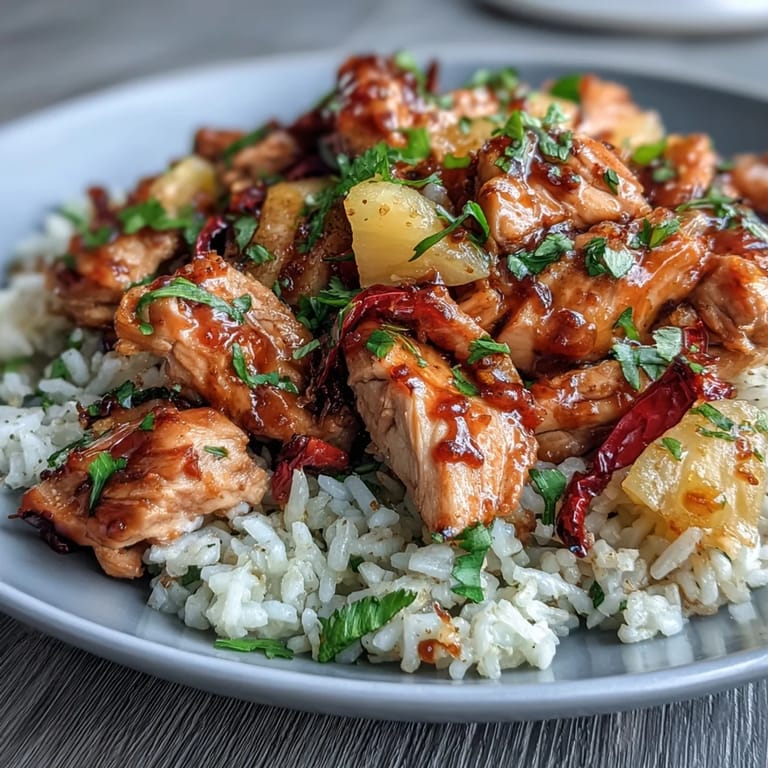
- Rice goes down first as your base, then the chicken breast on top, then scatter the pineapple, bell pepper, onion, and snap peas around it. The order matters because you want the chicken to cook through while the rice soaks up flavor underneath.
- Sauce generously:
- Divide the marinade equally among the four packets, pouring it over everything. It's tempting to be conservative, but this is where the magic happens—the sauce becomes the steam that cooks everything.
- Seal it tight:
- Fold the foil edges together carefully, crimping them so steam stays trapped inside but nothing leaks out. Think of it as creating a little pressure cooker on your grill.
- Grill with patience:
- Place packets seam-side up on the grill and let them sit undisturbed for about 12-15 minutes, then flip them and give them another 12-15 minutes. You'll know they're done when you can carefully poke the foil and feel the chicken is firm and the rice is tender.
- The grand opening:
- Use tongs to move the packets to a safe surface and open them slowly—that steam is seriously hot and smells incredible. If you're serving family-style, you can open them right on the plates.
- Finish with brightness:
- Scatter those green onions over top while everything's still steaming, and serve immediately with lime wedges if you've got them.
 Pin it
 There's something deeply satisfying about handing someone their own little foil packet at the table and watching them discover what's inside—it feels like opening a present, but with dinner. My kids still talk about the time we made these on the camping trip and the steam hit their faces, and how they thought the whole thing was the coolest cooking method ever invented.
Why Foil Packets Change Everything
Before I started cooking in foil, I thought steaming sounded boring and one-dimensional. But there's actually a craft to it—you're essentially creating a sealed environment where all the moisture and flavor circulates, which means your chicken never dries out and your rice gets this subtle depth from the pineapple juice that you'd never achieve if you cooked them separately. The vegetables stay bright instead of turning into mush because they're not sitting in a pot of boiling water; they're cooking in steam and sauce together, which is a completely different animal.
Making This Dish Your Own
The template here is flexible enough that you can swap things around without losing the soul of the dish. I've made versions with shrimp instead of chicken, thrown in cubed sweet potato for extra substance, and even experimented with lime juice instead of pineapple juice when I was out. The core principle—proteins, starches, vegetables, and sauce all steaming together—works with whatever you have in your fridge, which is why this has become such a reliable go-to in my rotation.
Timing and Temperature
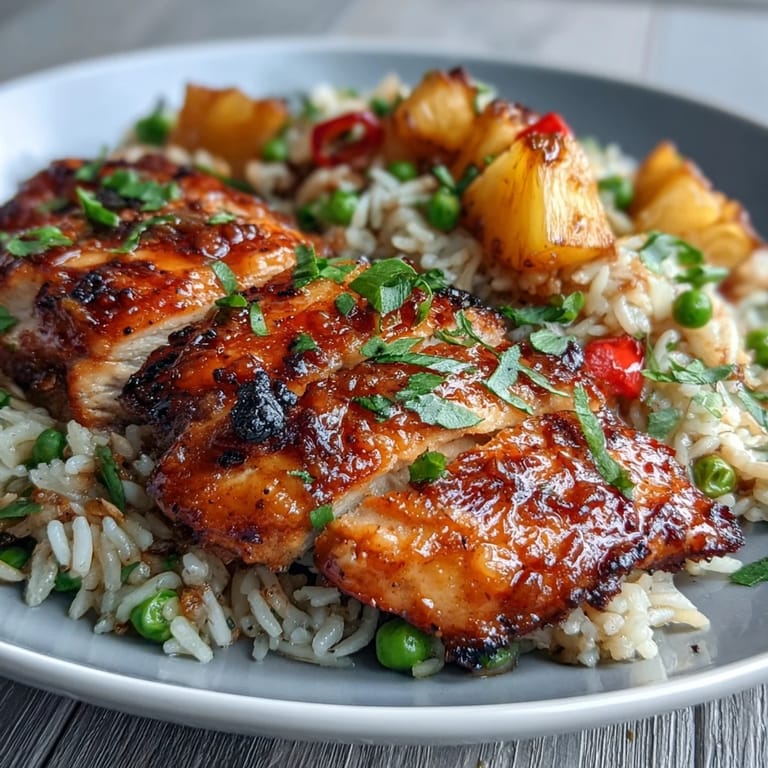
The 25-30 minute window assumes you're starting with room-temperature ingredients and a grill that's holding steady at medium-high. If your grill runs hotter, check at 22 minutes; if cooler, you might need to stretch toward 35 minutes. The real tell isn't the clock—it's when you can slide a knife into the thickest part of the chicken and it feels firm and opaque all the way through, and when the rice grains are tender but not falling apart.
- A meat thermometer inserted into the thickest part of the chicken should read 165°F to guarantee food safety.
- If you're marinating the chicken beforehand in half the sauce, reduce the amount you drizzle into the packets so the flavor doesn't become overwhelming.
- Flip the packets once during cooking to ensure even heat distribution and prevent one side from charring.
 Pin it
 These packets have become my answer to the question of how to feed a crowd without spending all evening at the grill or ending up with a sink full of dishes. Once you nail the proportions and timing, you'll find yourself making them constantly.
Recipe FAQs
- → Can I use chicken thighs instead of breasts?
Yes, chicken thighs can be substituted for juicier results. Adjust cooking time accordingly to ensure they are fully cooked.
- → Is it necessary to soak rice before assembling?
Rinsing the rice helps remove excess starch for fluffier texture, but soaking is not required given the cooking time in foil packets.
- → How do I prevent foil packets from leaking on the grill?
Make sure to seal the packets tightly by folding edges securely. Using heavy-duty foil is also recommended to avoid tears.
- → Can I prepare the packets ahead of time?
Yes, you can assemble and refrigerate the packets for a few hours before grilling to allow flavors to meld, but avoid freezing.
- → What side dishes complement this grilled meal?
Fresh salads, steamed greens, or a simple fruit salsa pair well to balance the savory and sweet flavors.