 Pin it
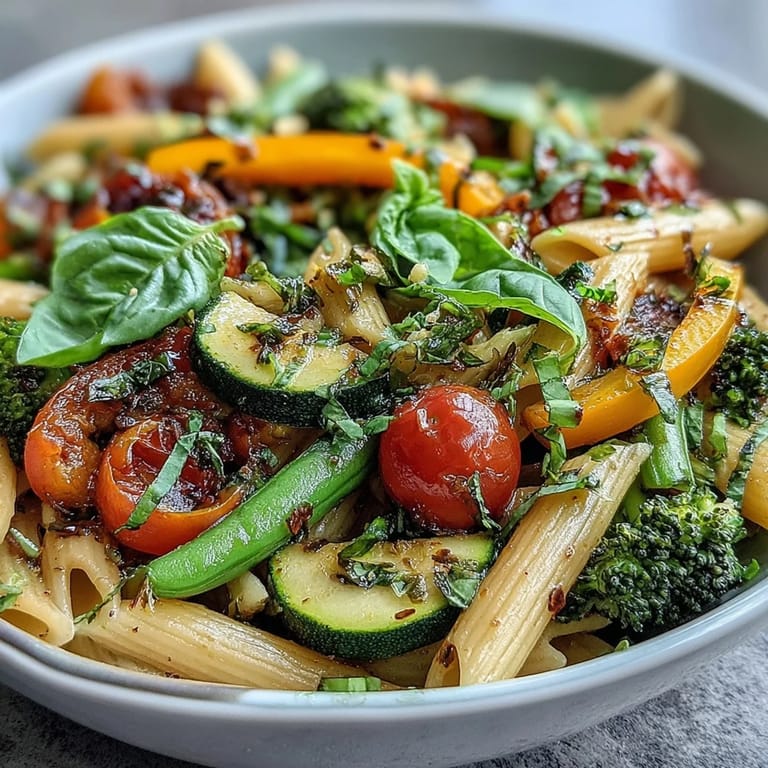
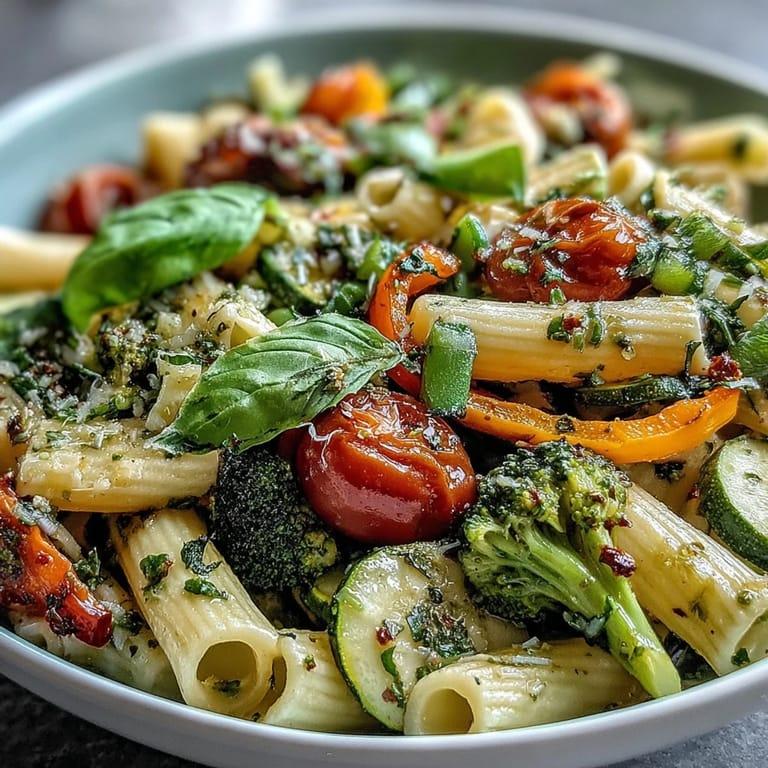
 There's something magical about watching all those bright vegetables tumble into a single pot, their colors bleeding into the broth like a painter's palette coming to life. My neighbor Marco stopped by one evening just as I was stirring this together, and the smell of lemon meeting basil made him pause mid-sentence. He stayed for dinner, and by the end of the meal, he was already texting me for the recipe. That's when I realized this wasn't just easy weeknight food—it was the kind of dish that makes people linger at the table.
I made this for a potluck last spring where half the guests were vegan, and I'll admit I was nervous about whether everyone would enjoy it equally. The dish disappeared first, even before the desserts arrived, and someone asked if there was a secret ingredient. I almost didn't want to tell them it was just fresh basil and good timing.
Ingredients
- Dried penne or fusilli (340 g): Check the box to make sure it's certified vegan—some pastas sneak in egg, and you'll want that clean, plant-based foundation.
- Red onion and garlic: These two create the flavor base that makes everything taste intentional, not rushed.
- Bell peppers (red and yellow): They add sweetness and color, and they soften enough in the broth to become almost creamy.
- Zucchini: Sliced thin so it cooks quickly and doesn't overpower the other vegetables with moisture.
- Cherry tomatoes: Halved so they break down slightly and release their juices into the pot, creating a natural sauce.
- Snap peas or green beans: Keep them trimmed and add them to the pot with the other vegetables so they stay bright and crisp.
- Broccoli florets: Small florets work best since you want them to cook evenly with the pasta.
- Vegetable broth (900 ml): Use low-sodium so you can control the salt and taste as you go—store-bought broths can surprise you with their saltiness.
- Extra-virgin olive oil: Two tablespoons is enough to build flavor without making the dish heavy or greasy.
- Sea salt and black pepper: Taste the broth as it simmers; you might need less salt than you think.
- Red pepper flakes: Optional, but they add a whisper of heat that makes the lemon sing.
- Lemon zest and juice: The zest adds brightness you can't replicate, so don't skip it—microplane if you have one, or a fine grater works too.
- Fresh basil: Torn (not chopped) so the leaves stay tender and the flavor stays delicate.
- Nutritional yeast: Optional, but it gives a subtle umami and a hint of that cheesy flavor without any dairy.
Tired of Takeout? 🥡
Get 10 meals you can make faster than delivery arrives. Seriously.
One email. No spam. Unsubscribe anytime.
Instructions
- Build your flavor base:
- Heat the olive oil in your large pot over medium heat until it shimmers slightly, then add the onion and garlic. Let them sauté for 2–3 minutes, stirring occasionally, until they turn translucent and the kitchen smells like you're about to make something delicious.
- Add the vegetables:
- Toss in the bell peppers, zucchini, cherry tomatoes, snap peas, and broccoli, then sauté for 3–4 minutes until they begin to soften at the edges. You want them to release some of their moisture and start to smell caramelized—this is where the depth comes from.
- Combine everything:
- Add the dried pasta directly into the pot along with the vegetable broth, salt, pepper, and red pepper flakes if you're using them. Stir well so the pasta doesn't stick to the bottom, and the vegetables are distributed evenly throughout.
- Let it simmer:
- Bring everything to a boil over high heat, then lower the heat to a gentle simmer and cook uncovered for 10–12 minutes, stirring often. You're watching for the moment when the pasta becomes tender, the liquid has mostly absorbed into the pasta and vegetables, and you can drag a spoon through the pot and see the bottom briefly before it fills back in.
- Finish with brightness:
- Remove the pot from the heat and stir in the lemon zest, lemon juice, fresh basil, and nutritional yeast if you're using it. Taste and adjust the salt and pepper—sometimes a tiny pinch of flake salt at the end makes all the difference.
- Serve and savor:
- Transfer to bowls or plates, and if you want to go a little fancy, add extra torn basil and a small drizzle of good olive oil on top. Serve immediately while everything is still steaming and the flavors are brightest.
 Pin it
 My partner once told me this dish reminded them of a restaurant we visited years ago, except it tasted even better because I made it. That comment stuck with me—it's funny how the simplest foods, when made with attention and fresh ingredients, become the ones people remember.
Vegetable Flexibility and Seasonal Swaps
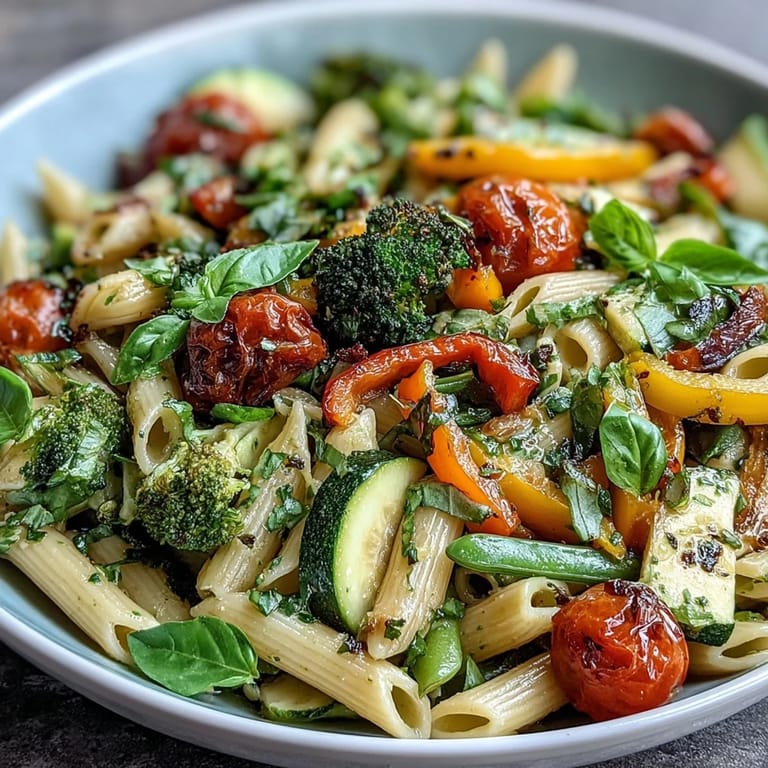
The beauty of this dish is that it adapts to whatever looks good at the market or what's hiding in your crisper drawer. In summer, I swap in fresh asparagus and thin green beans; in fall, I add diced butternut squash and spinach. The cooking time might shift slightly depending on how firm your vegetables are, but the principle stays the same—let them soften just enough to release their flavor without losing their character.
Making It Your Own
I've learned that recipes are really just suggestions for how to feed yourself and the people you love. Some nights I add a handful of spinach at the end so it wilts into the warm pasta; other times I scatter toasted pine nuts on top just before serving. Once I even added a splash of white wine instead of some of the broth, and it created this subtle depth that made everyone ask questions.
Storage and Serving
This dish is best eaten fresh and warm, but leftovers keep in the refrigerator for up to three days in an airtight container. When you reheat it, add a splash of vegetable broth or water because the pasta will have absorbed more liquid as it sits, and you want it to be loose again. Fresh basil and an extra squeeze of lemon right before serving will make the leftovers taste almost as bright as they did the first night.
- Serve it alongside a crisp Sauvignon Blanc or sparkling water with a lemon wedge for a perfectly balanced meal.
- If you're cooking for a crowd, you can double or triple the recipe—just use a larger pot and keep an eye on the cooking time.
- For a protein boost, scatter some white beans or chickpeas into the pot during the last minute of cooking, just to warm them through.
 Pin it
 This recipe taught me that sometimes the most satisfying meals are the ones that ask the least of you, leaving plenty of mental space for conversation, laughter, and the simple pleasure of eating something that tastes both nourishing and joyful. Make it for someone you love, or make it for yourself on a day when you need to feel taken care of.
Recipe FAQs
- → Can I use gluten-free pasta with this dish?
Yes, gluten-free pasta works well and maintains the dish's texture and flavor.
- → What vegetables can I substitute?
Seasonal veggies like asparagus, peas, or spinach can be used for variety without altering the dish's profile.
- → Is nutritional yeast necessary?
No, it's optional but adds a subtle cheesy flavor that complements the lemon and basil.
- → How do I know when the pasta is perfectly cooked?
Cook until al dente, meaning the pasta is tender but still slightly firm to the bite, usually 10-12 minutes.
- → Can I prepare this ahead of time?
While best fresh, leftovers can be refrigerated and gently reheated, adding a splash of water if needed.
- → What pairs well with this pasta dish?
A crisp Sauvignon Blanc or sparkling water with lemon complements the fresh, vibrant flavors beautifully.