 Pin it
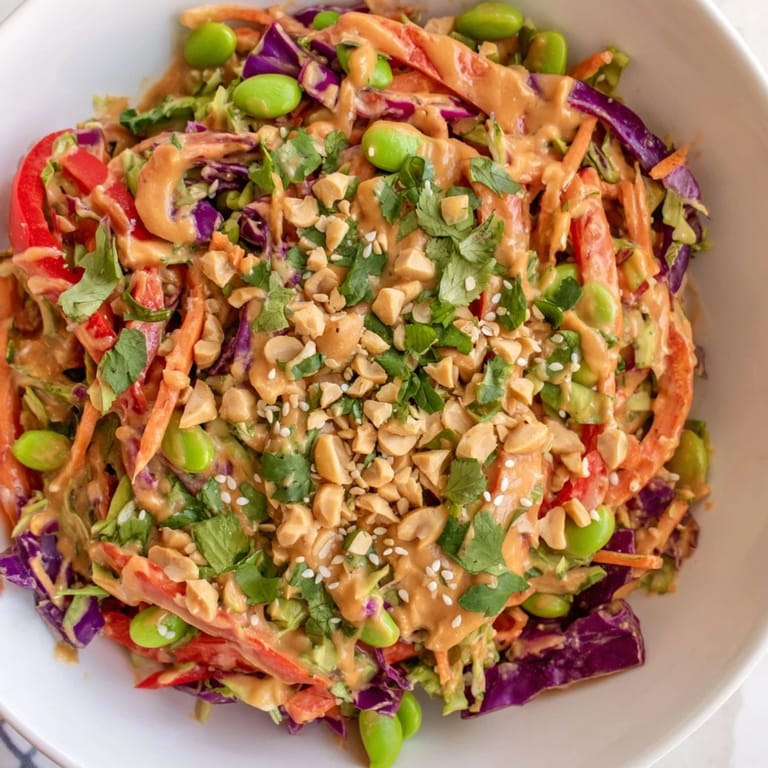
 My kitchen counter was a mess of purple and green shreds the afternoon I threw this together on a whim. I had half a head of cabbage wilting in the crisper, a jar of peanut butter, and zero inspiration until I remembered a food truck salad I'd loved months earlier. The dressing came together so fast I almost didn't believe it would taste like anything special. But that first bite, all crunch and tang and just enough sweetness, I knew I'd be making this on repeat.
I brought this to a potluck once and watched three people go back for seconds before I even got a plate. Someone asked if I'd ordered it from a restaurant. The colors alone make it look like you put in way more effort than you actually did, and that's always a win in my book.
Ingredients
- Green cabbage: The base that holds everything together, shred it thin so it doesn't overpower the other textures.
- Purple cabbage: Adds a pop of color and a slightly peppery bite that balances the sweetness in the dressing.
- Shredded carrots: These bring natural sweetness and a vibrant orange that makes the whole bowl look alive.
- Edamame: Cooked and cooled, they add protein and a mild, nutty flavor that keeps this salad filling.
- Red bell pepper: Slice it thin for a sweet crunch that cuts through the richness of the peanut dressing.
- Scallions: Their sharp, fresh bite wakes up every forkful without being too aggressive.
- Fresh cilantro: A handful of this makes the whole dish taste bright and alive.
- Creamy peanut butter: The soul of the dressing, it should be smooth and not too thick or it won't whisk easily.
- Soy sauce: Use tamari if you need gluten-free, but either way, it adds the salty depth that makes the dressing crave-worthy.
- Rice vinegar: This gentle acidity keeps the dressing from feeling heavy.
- Lime juice: Freshly squeezed is worth it, the brightness is what makes the dressing sing.
- Maple syrup: Just enough to round out the tanginess without making it dessert.
- Toasted sesame oil: A little goes a long way, it adds a nutty aroma that ties everything together.
- Fresh ginger: Grate it fine so you get the warmth without any fibrous bits.
- Garlic: One clove minced adds a subtle sharpness that deepens the flavor.
- Roasted peanuts: Chop them roughly for texture, they're the final crunch that makes each bite satisfying.
- Toasted sesame seeds: Optional but worth it, they add a delicate nuttiness and look beautiful scattered on top.
Tired of Takeout? 🥡
Get 10 meals you can make faster than delivery arrives. Seriously.
One email. No spam. Unsubscribe anytime.
Instructions
- Prep the vegetables:
- Toss the green cabbage, purple cabbage, carrots, edamame, bell pepper, scallions, and cilantro into a large bowl. The more colorful and varied your shreds, the more fun this salad is to eat.
- Make the dressing:
- Whisk together peanut butter, soy sauce, rice vinegar, lime juice, maple syrup, sesame oil, ginger, and garlic in a smaller bowl. Add water a tablespoon at a time until it's smooth and pourable, like a thick cream.
- Toss it all together:
- Pour the dressing over the vegetables and use your hands or tongs to toss until every shred is coated. Don't be shy, really get in there and mix it well.
- Top and serve:
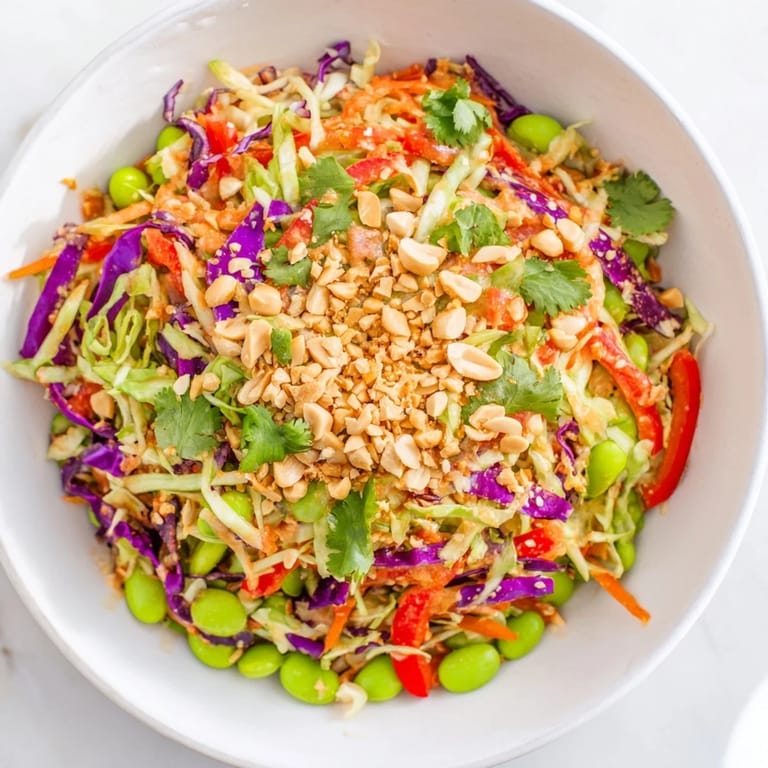
- Transfer to a platter or individual bowls, then scatter roasted peanuts, sesame seeds, and extra cilantro on top. Serve with lime wedges on the side so everyone can add an extra squeeze if they want.
 Pin it
 The first time I packed this for lunch, a coworker leaned over and said it smelled like vacation. I'm not sure what that means exactly, but I took it as a compliment. There's something about the lime and peanut butter together that just feels like sunshine in a bowl.
Customizing Your Salad
This salad is incredibly flexible, and I've made it a dozen different ways depending on what's in my fridge. If you don't have edamame, chickpeas or even cubed tofu work beautifully. I've swapped red bell pepper for snap peas when they're in season, and once I threw in some thinly sliced radishes for extra bite. If you're not a cilantro fan, fresh basil or mint are surprisingly good here too.
Make-Ahead and Storage Tips
I like to prep the vegetables and dressing separately in the morning, then toss them together right before eating. The dressing keeps in a jar in the fridge for up to a week, just give it a good shake before using. If you've already dressed the salad, it'll hold for about two days, though the cabbage softens a bit. Honestly, I don't mind it that way, the flavors just get deeper.
Serving Suggestions and Pairings
This salad shines as a side dish next to grilled chicken or fish, but I've eaten it as a full meal more times than I can count. It's perfect for picnics because it doesn't wilt in the heat like lettuce-based salads do. I've also served it alongside spring rolls or rice bowls for a casual dinner that feels put together without much fuss.
- Add grilled shrimp or sliced steak if you want to make it heartier.
- Serve it over rice noodles for a noodle salad vibe.
- Pair it with a cold beer or iced green tea on a hot day.
 Pin it
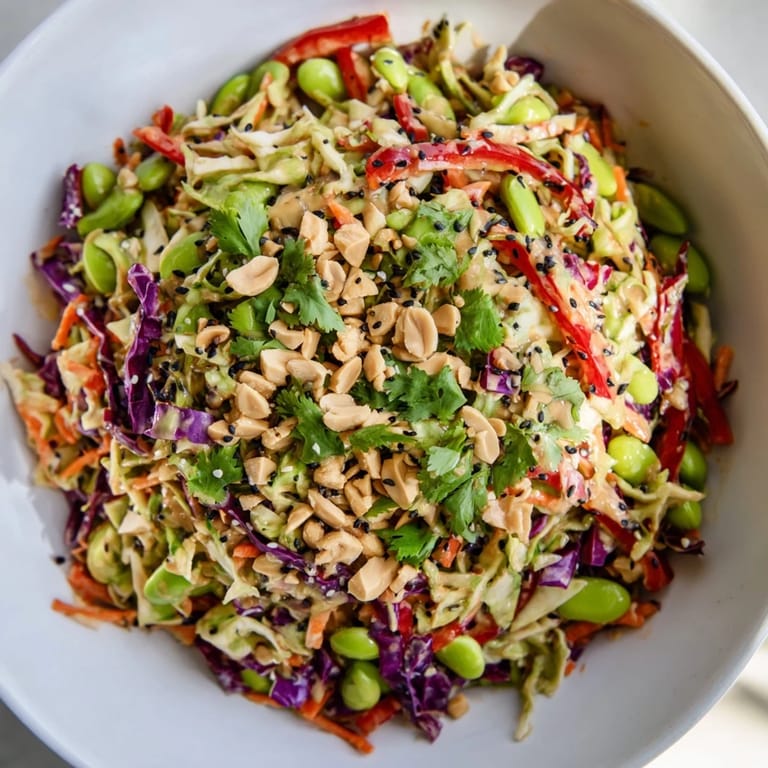
 This salad has become my go-to when I want something that feels fresh and indulgent at the same time. It's proof that simple ingredients, when treated right, can make you feel like you're eating something special.
Recipe FAQs
- → Can I make this salad ahead of time?
While best enjoyed fresh, you can prepare the components separately and assemble just before serving. Store the dressing and vegetables in separate containers for up to 2 days, then toss together when ready to eat to maintain crunchiness.
- → What can I use instead of peanut butter?
Almond butter or sunflower seed butter work as excellent substitutes for those with peanut allergies. Use the same quantity and adjust water as needed to reach the desired dressing consistency.
- → How do I add more protein to this salad?
Top with grilled tofu for a vegan option, shredded rotisserie chicken for non-vegetarian, or add crispy chickpeas or tempeh. You can also include sliced hard-boiled eggs or cooked shrimp for variety.
- → Is this salad gluten-free?
It can be made gluten-free by using tamari instead of regular soy sauce. Always check ingredient labels on all products, including peanut butter and sesame oil, to ensure they're certified gluten-free.
- → What vegetables can I add or substitute?
Add snap peas, cucumber, or sliced bell peppers for extra crunch and freshness. You can also use shredded beets, jicama, or daikon radish. Adjust quantities based on preference while maintaining the overall volume.
- → How thin should the dressing be?
The dressing should coat the vegetables evenly without pooling at the bottom. Add water gradually while whisking until it reaches a pourable consistency similar to thick salad dressing, about the texture of Greek yogurt.