 Pin it
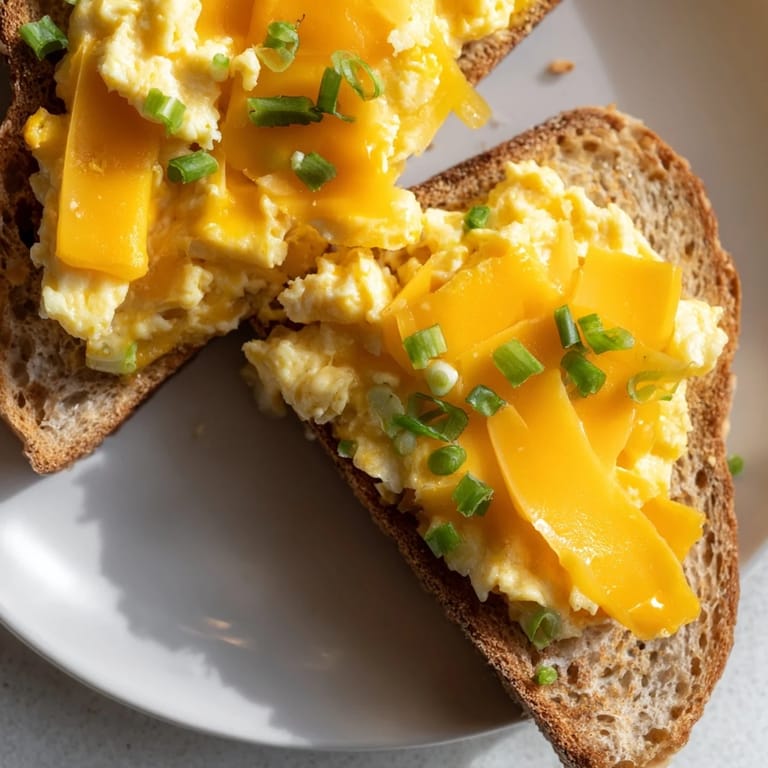
 There's something about mornings when you're running late that brings out the best kitchen shortcuts. I discovered this one-pan egg breakfast sandwich on a Tuesday when I'd overslept and had exactly thirteen minutes to get out the door. Instead of juggling the toaster and a skillet, I threw everything into one pan and watched as the eggs wrapped around the bread like they were meant to be together. That happy accident became my go-to now whenever I need breakfast that feels both intentional and effortless.
I made this for my roommate after they mentioned dreading their commute, and watching their face when I slid that folded sandwich onto their plate was worth every minute. They kept asking how I'd engineered the bread to stay crispy while the eggs stayed soft, as if I'd unlocked some ancient cooking secret. I realized then that the best recipes are the ones that make someone feel taken care of, not impressed.
Ingredients
- Eggs: Three large ones give you enough mixture to envelop the bread without pooling too much—any fewer and you'll have bare spots, any more and it becomes more scramble than sandwich.
- Milk: Just two tablespoons adds silkiness, making the eggs almost custardy where they rest against the warm bread.
- Salt and black pepper: Season generously; the bread absorbs flavor, so don't hold back.
- Sturdy sandwich bread: Sourdough or whole wheat holds up to the moisture and heat better than soft white bread, which turns to mush.
- Unsalted butter: One tablespoon creates just enough fat to toast the bread and cook the eggs without making things greasy.
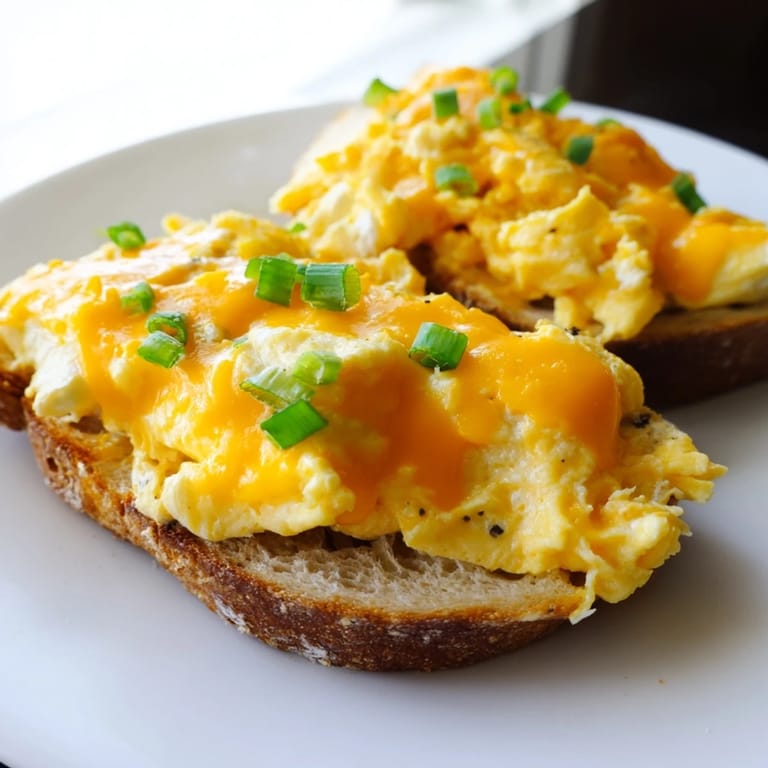
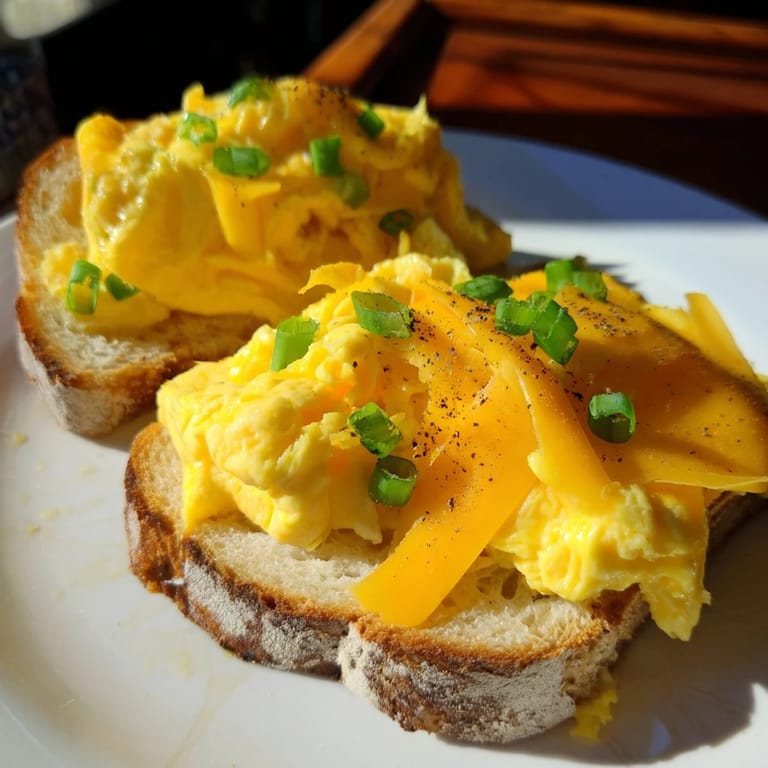
- Cheddar cheese: Two slices melt into the nooks of the eggs, binding everything together—sharp cheddar adds a pleasant bite if you have it.
- Chives or green onions: Optional but they add a fresh bite that cuts through the richness beautifully.
Tired of Takeout? 🥡
Get 10 meals you can make faster than delivery arrives. Seriously.
One email. No spam. Unsubscribe anytime.
Instructions
- Whisk your eggs like you mean it:
- Beat the eggs with milk, salt, and pepper until the mixture is uniform and slightly foamy. This creates that custardy texture when cooked.
- Get your pan hot and buttery:
- Medium heat with melted butter swirled across a nonstick skillet is your foundation. You want it hot enough to toast bread but not so hot that eggs burn.
- Toast one side of the bread:
- Lay both slices in the pan and let them go golden for about a minute on the first side. You're after contrast—golden exterior, soft interior.
- Flip and pour:
- Once that first side has color, flip the bread and immediately pour the egg mixture around and over the slices. Don't stir right away; give the eggs ten to fifteen seconds to begin setting.
- Gently push and flow:
- Using a spatula, coax the eggs toward the bread edges in slow, deliberate movements. This creates pockets where raw egg flows underneath to cook, building structure.
- Watch for the moment:
- When the eggs are mostly set but still slightly moist on top—that glossy, trembling surface—you're at the sweet spot. Not too wet, not overcooked.
- Layer in the cheese:
- Lay one slice of cheese on each piece of bread while the eggs are still warm and slightly wet. The residual heat melts it beautifully.
- Fold and press:
- Fold any excess cooked egg onto the bread with your spatula, then carefully place one slice on top of the other. Press gently for another minute so everything adheres.
- The final minute:
- Keep the heat on medium just long enough for the cheese to fully melt and the whole sandwich to turn golden. You'll hear a gentle sizzle when it's ready.
- Finish with flair:
- Slide it onto a plate, sprinkle with chives if you have them, and cut diagonally if you're feeling civilized.
 Pin it
 There was a morning when a friend who'd been stressed about their new job came over, and I made this sandwich while they sat at my kitchen counter talking through their worries. By the time I slid it in front of them, they'd already started laughing about something ridiculous, and suddenly breakfast felt like a small, warm act of saying that things would be okay. That's when I understood that food isn't just fuel—it's a language.
Why This Works as a One-Pan Miracle
Most breakfast combines separate components—toast from the toaster, eggs from a skillet, cheese melted on top. Here, everything cooks in the same vessel in the same five minutes, creating flavors and textures that actually belong together rather than just stacked on top of each other. The bread toasts and absorbs egg moisture at the same time, becoming almost custard-like in the center while staying crisp on the outside. You're not managing multiple temperatures or timings; you're watching one beautiful transformation happen right in front of you.
Making It Your Own
This sandwich is a canvas if you want it to be. Crispy bacon folded into the egg mixture adds smokiness, while sautéed spinach or mushrooms bring earthiness and body. A spoonful of hot sauce stirred into the eggs before cooking creates a subtle heat that builds as you eat. Even a slice of tomato tucked between the bread and cheese (if you toast the bread long enough to support the moisture) adds brightness.
The Secret to Not Overcooking
The hardest part of this recipe isn't technique—it's knowing when to stop. Eggs continue cooking from residual heat even after you pull the pan off the flame, so they should still look slightly underdone when you plate them. It feels wrong at first, but that glossy, barely-set surface is exactly what makes the sandwich moist and delicious rather than rubbery. Once you nail that timing once, you'll know it in your bones.
- Start testing the texture of the eggs around the ninety-second mark after you flip the bread, pushing the spatula to see how much resistance you feel.
- Remember that every stove is different—yours might need ten seconds more or less than the recipe suggests, so pay attention to visual cues rather than watching the clock.
- If you accidentally cook the eggs too much and the sandwich feels dry, add a small pat of butter on top before serving; it'll make all the difference.
 Pin it
 This sandwich has become my answer to mornings that feel impossible. It's proof that the best meals don't need to be complicated or time-consuming to feel like you've taken care of yourself.
Recipe FAQs
- → How do I prevent the eggs from sticking to the pan?
Melt a sufficient amount of butter in a nonstick skillet and ensure it coats the pan evenly before adding the eggs and bread. Using a nonstick pan helps reduce sticking.
- → Can I use different types of bread for this sandwich?
Yes, sturdy breads like sourdough or whole wheat work best as they hold together well during cooking, but gluten-free options can be used if needed.
- → How do I achieve soft scrambled eggs in this method?
Pour the egg mixture over the bread and allow it to set gently without stirring. Folding the cooked egg onto the bread slices helps maintain a soft, creamy texture.
- → What cheese varieties are suitable for melting in this sandwich?
Cheddar is recommended, but other melting cheeses like Swiss, mozzarella, or American cheese can be used according to preference.
- → Can I add vegetables or meats to enhance the flavor?
Yes, cooked bacon, ham, or sautéed vegetables can be added either inside the sandwich or as toppings to complement the flavors.