 Pin it
 My neighbor Maria handed me a steaming bowl of sopa azteca on a gray afternoon, and I understood immediately why this soup had survived centuries of Mexican kitchens. The broth was the color of brick, dark and smoky, with crispy tortilla strips still crackling against the heat. She watched me take that first spoonful and smiled, knowing that one taste would explain what no recipe could: this soup tastes like comfort, but it tastes like fire too.
I made this for my sister during her first winter in the city, when she was homesick and tired. She sat at my kitchen counter wrapped in a sweater, and by the second bowl, she was talking again, laughing about something small. Food does that sometimes, especially when it carries the warmth of someone else's tradition.
Ingredients
- Vegetable oil: You need enough to fry tortillas until they are properly golden, so do not skimp; this is where the crispy magic happens.
- White onion and garlic: These build the flavor base, and chopping them fine helps them dissolve into the broth and create a smooth foundation.
- Ripe Roma tomatoes: Use the ripest ones you can find because their natural sweetness balances the heat from the chiles.
- Dried pasilla and guajillo chiles: Pasillas give depth and a gentle smokiness, while guajillos add brightness; together they create the soul of the soup.
- Vegetable broth: Use good quality broth because it becomes the main voice in this soup.
- Dried oregano and ground cumin: These spices whisper rather than shout, adding warmth without overwhelming the chile flavors.
- Corn tortillas: Fresh tortillas fry crisper than stale ones, so buy them the day you cook if possible.
- Panela cheese: Its mild, slightly salty character melts just enough from the heat without disappearing; it is the gentle contrast to everything bold below.
- Fresh avocado: The creaminess anchors all the other flavors and adds a luxurious texture.
- Fresh cilantro: This is not optional; it brings everything into focus with its bright, herbaceous presence.
- Lime wedges: A squeeze of lime at the end lifts the entire bowl, so do not forget them.
Tired of Takeout? 🥡
Get 10 meals you can make faster than delivery arrives. Seriously.
One email. No spam. Unsubscribe anytime.
Instructions
- Build your aromatic base:
- Heat oil in a large pot and let the onion soften until it turns translucent and sweet, about three minutes. Add garlic and listen for that subtle sizzle that tells you it is releasing its flavor, then cook for just a minute longer before it browns.
- Soften the tomatoes:
- Add your chopped tomatoes and let them break down into a jammy consistency, stirring occasionally so they do not stick. This takes about five minutes and your kitchen will start to smell like something good is happening.
- Toast the chiles carefully:
- In a separate dry skillet, warm those dried chiles for just a minute or two until fragrant, moving them constantly so they do not scorch. The smoke that rises is supposed to be pleasant and earthy, not acrid and burnt.
- Blend into smoothness:
- Transfer the tomato mixture and toasted chiles to a blender with one cup of broth and blend until completely smooth. This is where you get that velvety texture that makes the soup feel refined.
- Simmer and season:
- Return the blended mixture to your pot, add the remaining broth and spices, and let it bubble gently for fifteen minutes. Taste as you go and adjust the salt and pepper because every stove cooks differently.
- Fry the tortilla strips:
- While the broth simmers, heat about an inch of oil and carefully add tortilla strips in small batches, watching them turn golden brown in about a minute. Drain them on paper towels immediately so they stay crispy and do not absorb excess oil.
- Compose the bowl:
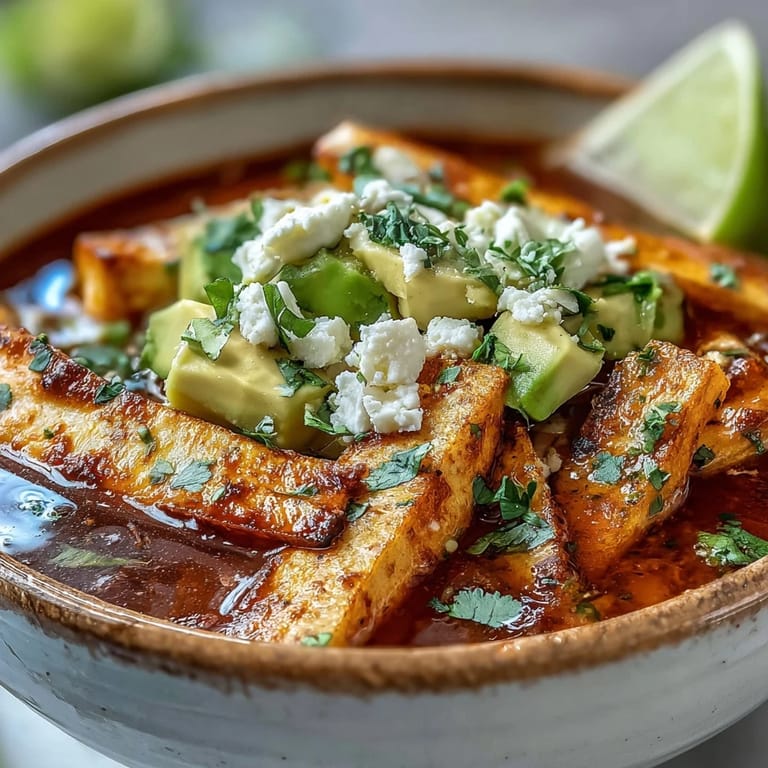
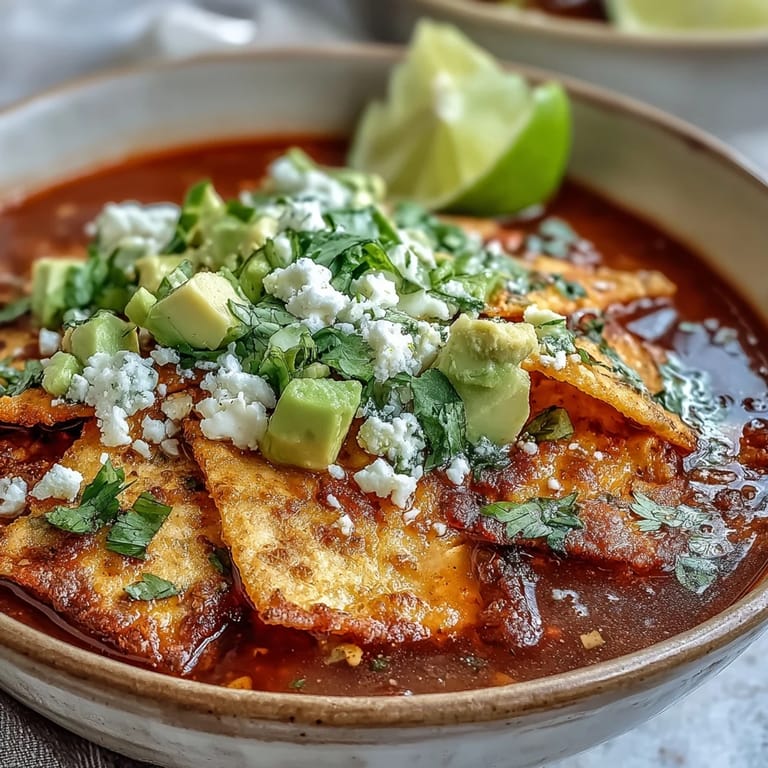
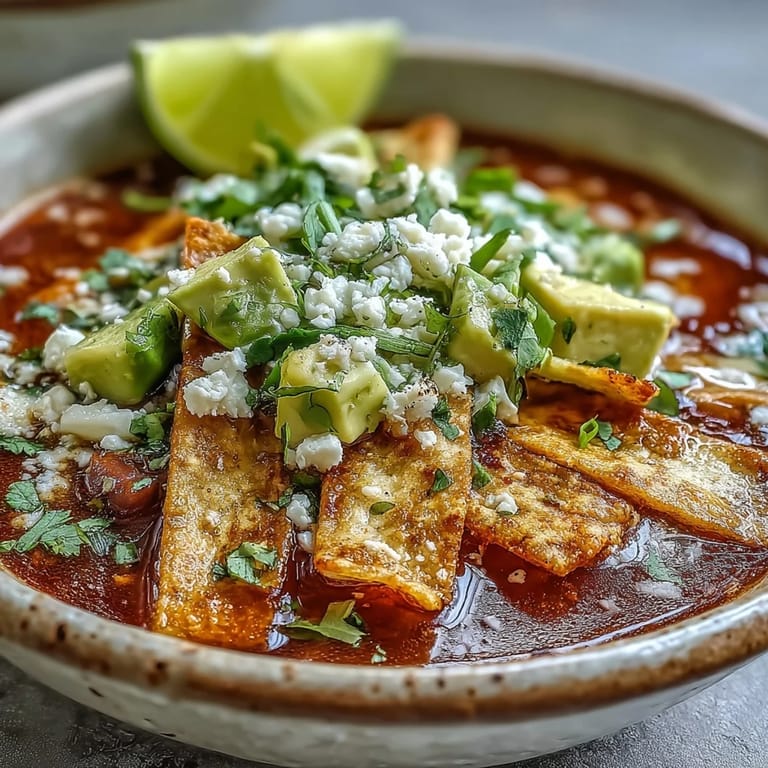
- Divide the crispy tortilla strips among bowls, pour the hot broth over them, and let everything mingle for just a moment before adding the cool, creamy toppings. This final step is where the soup becomes a complete experience, each element playing its part.
 Pin it
 There is a moment in cooking this soup when the dried chiles release their fragrance into the kitchen, and suddenly you understand why people have made this same dish for generations. It stops being a recipe and becomes a ritual, a way of saying I know what matters.
Why the Chiles Matter Most
The depth of sopa azteca comes entirely from those two dried chiles working in partnership. The pasilla brings a smoky, almost chocolatey undertone that grounds the soup, while the guajillo adds a touch of fruitiness that keeps it from feeling too heavy. If you can only find one type, use what you have, but know that you are missing half the conversation. Toast them gently and they become fragrant allies; burn them and they turn bitter and the whole soup suffers, so pay attention.
The Crispy Tortilla Strip Secret
This is where patience matters, even though it seems simple. Cut your tortillas into thin, even strips so they fry at the same rate, and do not crowd the pan because they need room to sizzle and brown rather than steam. Some people fry them ahead of time, but that takes away the crackling joy of eating them while they are still warm and defiant against the heat of the broth. The moment you ladle the hot soup over fresh strips, they soften just slightly while holding onto their character, and that is the entire point.
Bringing It All Together
Sopa azteca teaches you that simple ingredients, treated with respect and attention, become something memorable. The beauty is in the layering: smooth broth meeting crispy texture, cool avocado against heat, bright cilantro cutting through richness. This is peasant food elevated not by fancy technique but by understanding what each component does and letting it do its job.
- If your avocado is not quite ripe, add it at the last moment and use the lime juice to keep it from browning.
- The crema is optional but genuinely lovely, adding a tangy richness that balances the smokiness.
- Make the broth ahead of time if you want; it tastes even better the next day, though you should fry the tortilla strips fresh.
 Pin it
 This soup is an invitation to slow down and taste what you are eating, to notice how flavors build and balance. Make it for someone you care about, and watch how a bowl of soup becomes an act of generosity.
Recipe FAQs
- → What makes Sopa Azteca authentic?
Authentic Sopa Azteca relies on dried pasilla and guajillo chiles toasted and blended into the tomato base, creating that signature smoky depth. The use of panela cheese, corn tortillas fried in batches, and fresh garnishes like avocado and cilantro are traditional elements that distinguish this preparation.
- → Can I make this ahead of time?
The broth base actually improves after a day in the refrigerator, allowing flavors to meld. Prepare the broth up to 2 days ahead and reheat gently. However, fry tortilla strips just before serving to maintain their crunch—pre-fried strips will become soggy.
- → What can I substitute for panela cheese?
Queso fresco, feta, or mild goat cheese work beautifully as alternatives. These cheeses provide similar saltiness and texture that crumbles nicely over the hot broth. Avoid melting cheeses as they won't deliver the same satisfying contrast against the warm soup.
- → How spicy is this traditional soup?
The heat level is moderate and warming rather than overwhelming. Dried pasilla and guajillo chiles offer mild to medium spice with fruity undertones. You can adjust by removing chile seeds before toasting or adding a chipotle in adobo for extra smokiness and heat if desired.
- → Is this suitable for gluten-free diets?
Corn tortillas are naturally gluten-free, making this an excellent option. Ensure your vegetable broth and other packaged ingredients are certified gluten-free, as some brands may include additives or barley-based seasonings. Always check labels if cross-contamination is a concern.
- → What protein can I add?
Shredded chicken is the traditional addition, transforming this into a heartier meal. Simply add cooked, shredded chicken to the broth during the final minutes of simmering. Black beans or pinto beans also work well for additional protein while maintaining vegetarian preparation.